Skip to content
ANTBKnowledge

ANTB Knowledge

Small questions, surprising answers.

Why things are the way they are, explained with real sources and pictures that make it stick.

A ceiling smoke alarm detecting particles rising from a small source of smoke

Featured question · How things work · 5 min read

How does a smoke alarm detect a fire?

The short answer

A smoke alarm detects particles produced by combustion. In an ionisation alarm, smoke disrupts a small electrical current. In a photoelectric alarm, smoke scatters a beam of light towards a sensor. When the measured change reaches a set threshold, the alarm sounds. Because flaming and smouldering fires produce different kinds of particles, each sensing method has different strengths.


Cutaway illustration showing two rows of zip teeth being joined inside the slider.

How things work · 6 min read

How does a zip fastener stay closed?

A zip fastener looks simple, but its reliability depends on carefully shaped teeth, a precisely formed slider and forces that pull the two sides together.

An old book open on a library table with subtle wisps representing its changing chemical scent.

How things work · 6 min read

Why do old books smell so distinctive?

That familiar mix of vanilla, wood, grass and mustiness is not one mysterious scent. It is a chemical record of paper, ink, glue, storage conditions and slow ageing.

A conceptual reconstruction of a Renaissance map with sea creatures filling open areas of the ocean.

History · 5 min read

Why did old maps draw sea monsters?

The creatures swimming across medieval and Renaissance maps were not simply mistakes—or proof that mapmakers believed every legend. They helped turn uncertainty, inherited stories and political ambition into a picture of the world.

A nineteenth-century funeral procession with mourners dressed in black

Culture · 6 min read

Why do people wear black at funerals?

The familiar funeral colour is not an ancient universal rule. It is a tradition shaped by Roman customs, Christian Europe, Victorian etiquette and the practical need to make grief visible.

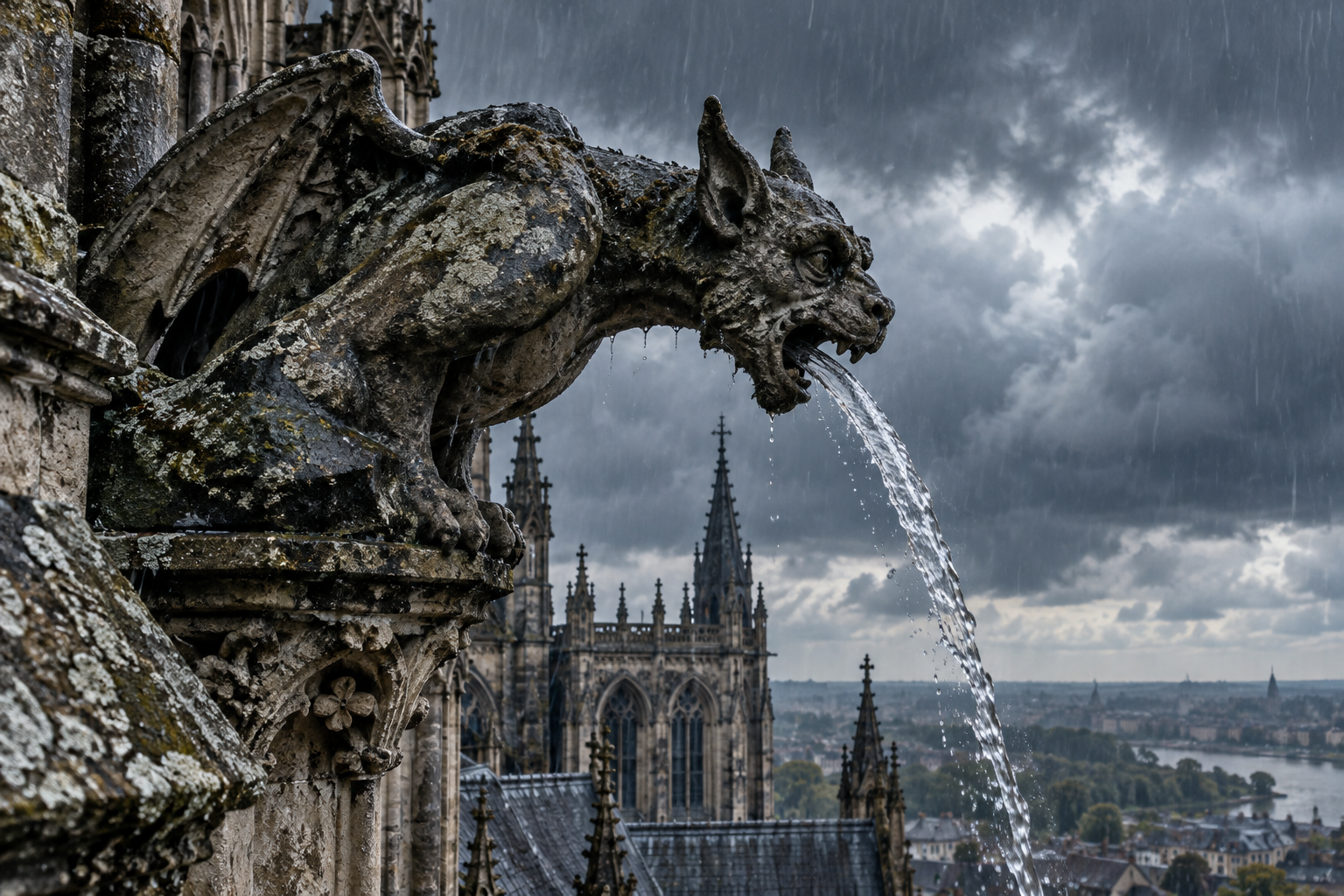
A carved stone gargoyle directing rainwater away from a Gothic cathedral wall

History · 6 min read

Why do some old buildings have gargoyles?

Those fierce stone creatures were not placed on old buildings for just one reason. Some carried rainwater away from walls, while others were purely decorative figures shaped by religious ideas, craftsmanship and a taste for the strange.

Cutaway illustration showing an expansion joint in a bridge deck and bearings beneath the structure.

How things work · 6 min read

Why do bridges have expansion joints?

The gaps you feel while crossing a bridge are carefully designed movement points. They help a bridge respond to heat, cold, traffic and small structural movements without cracking itself apart.

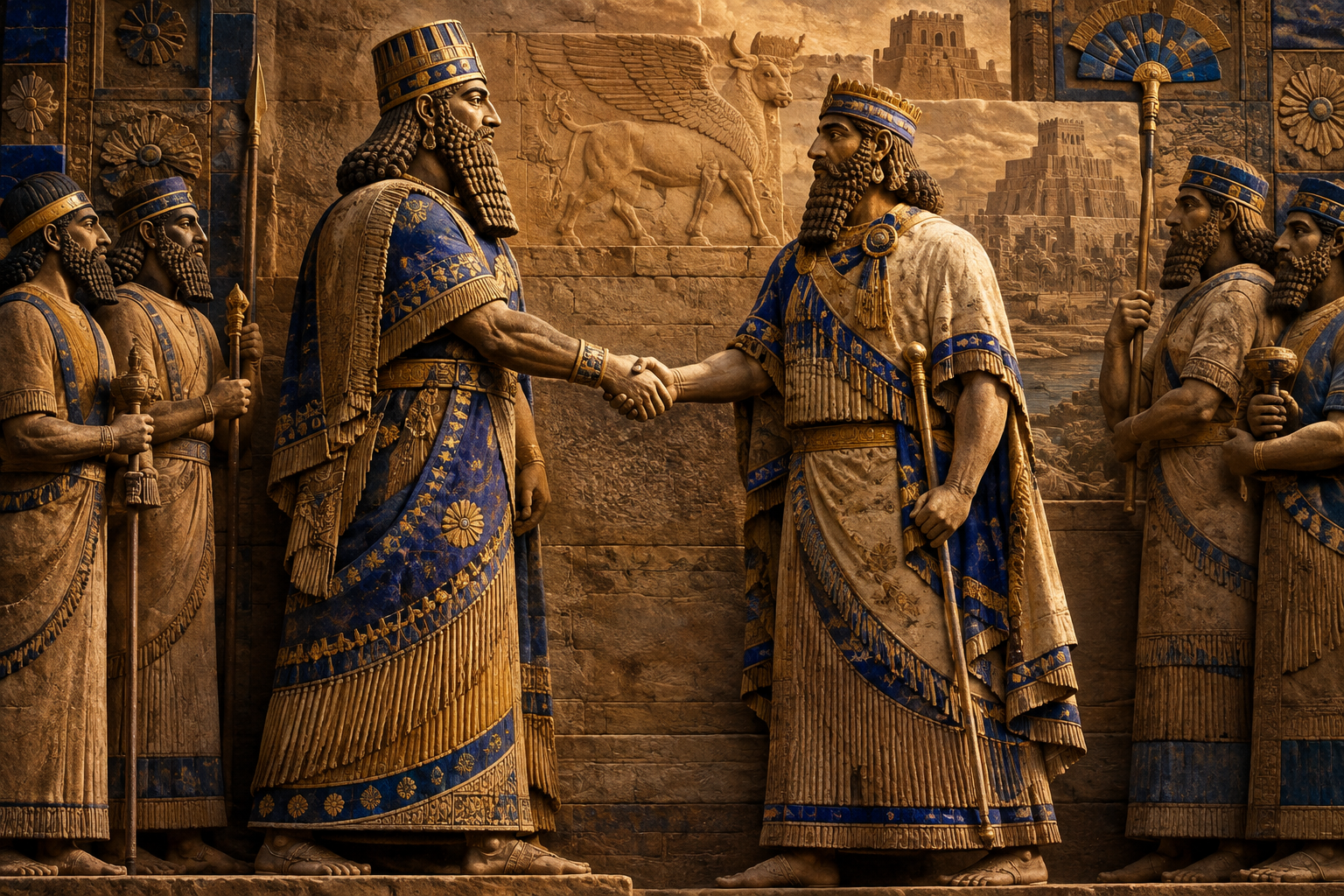
Conceptual reconstruction of two ancient Near Eastern rulers clasping hands in an alliance

Culture · 6 min read

Why do we shake hands?

The handshake looks simple, but it has carried messages about peace, trust, equality and social status for thousands of years.

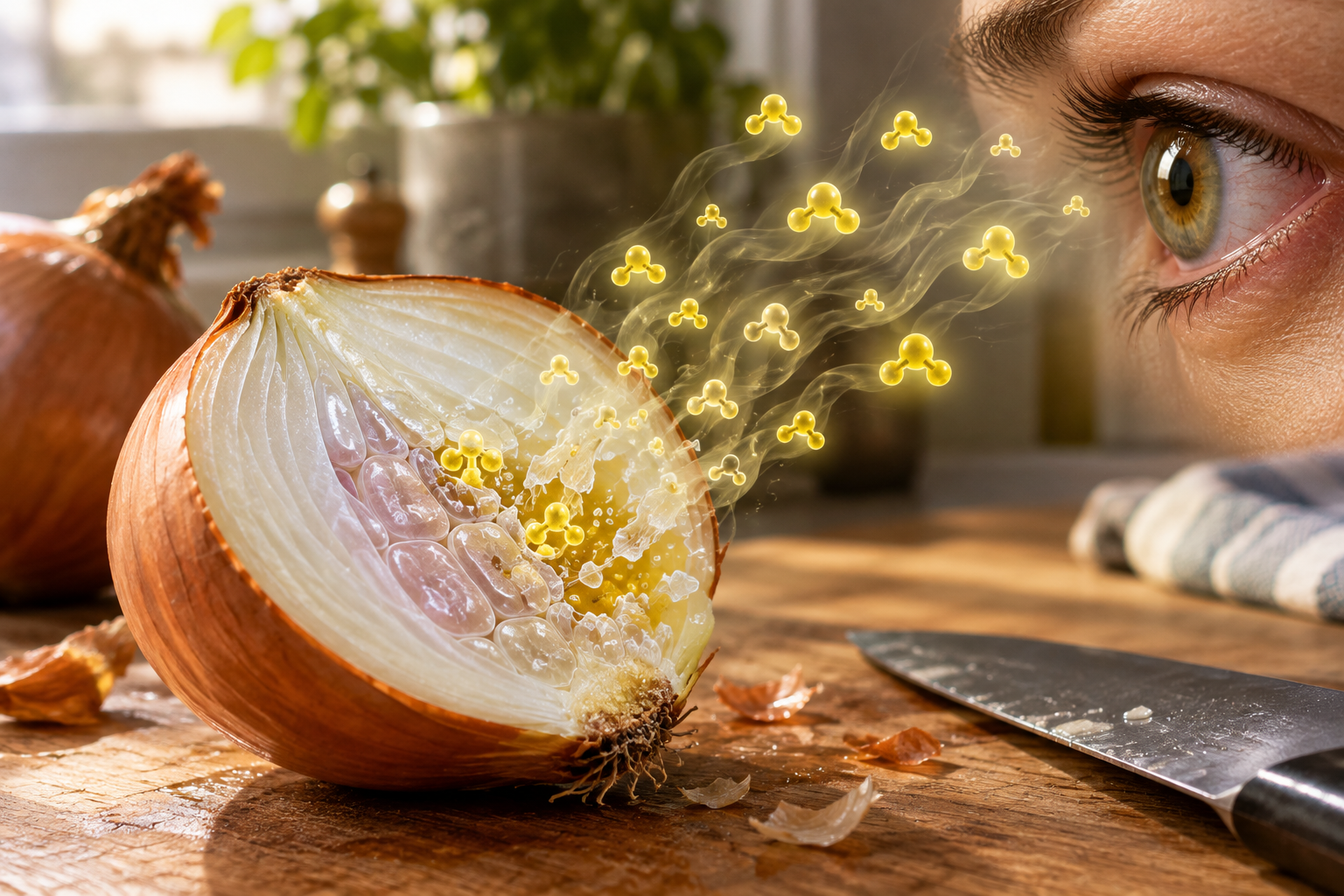
Conceptual illustration of cut onion cells releasing volatile compounds that travel towards an eye.

How things work · 6 min read

Why do cut onions make your eyes water?

Cutting an onion is a tiny chemical chain reaction. Damaged cells release enzymes that create a volatile sulphur compound, which reaches the eye and triggers a protective flow of tears.