Skip to content
ANTBKnowledge

ANTB Knowledge

How things work

Why things are the way they are, explained with real sources and pictures that make it stick.

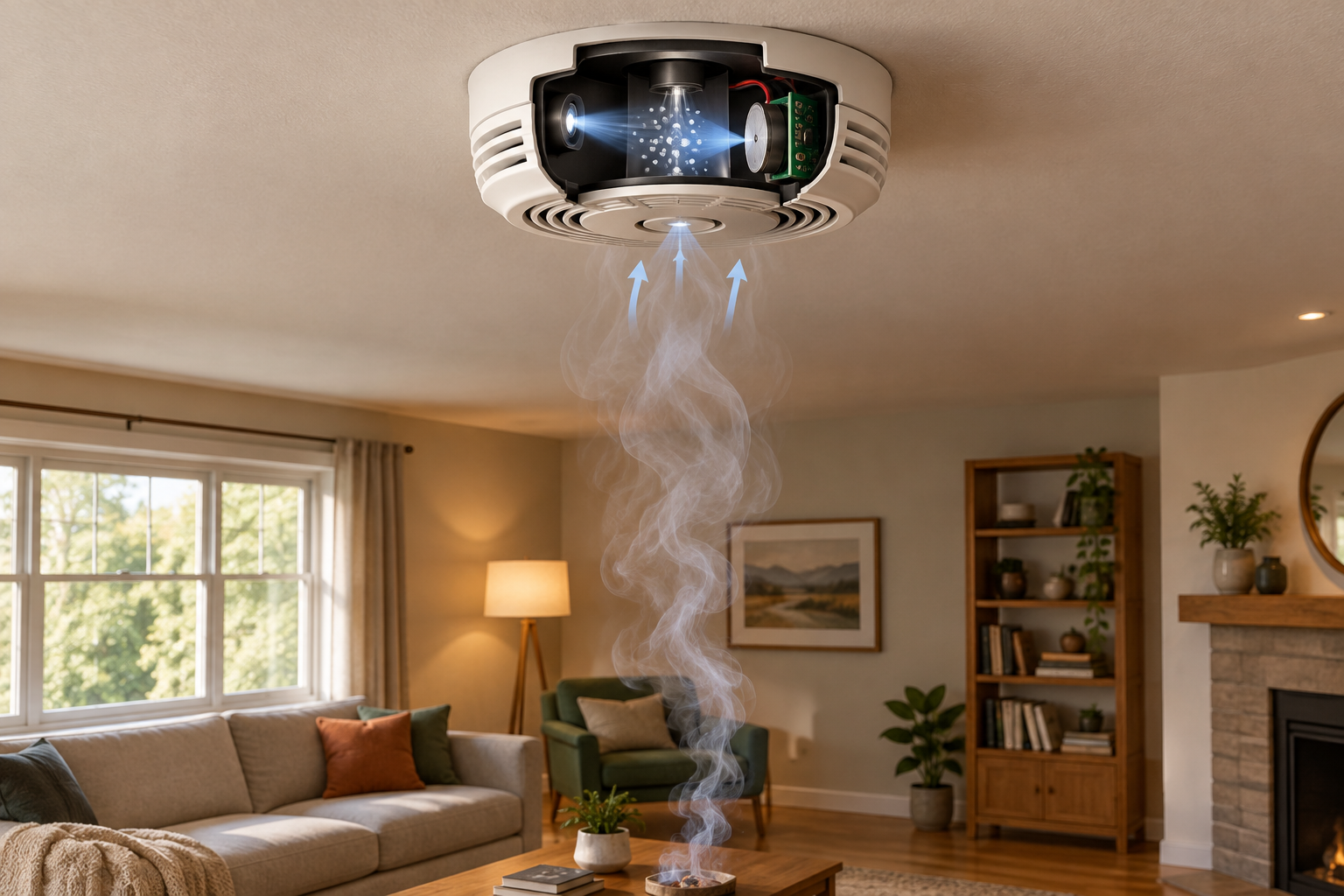
A ceiling smoke alarm detecting particles rising from a small source of smoke

How things work · 5 min read

How does a smoke alarm detect a fire?

A smoke alarm does not sense flames directly. It watches for tiny particles in the air, using either electricity, light or both, then turns that change into the piercing sound we recognise.
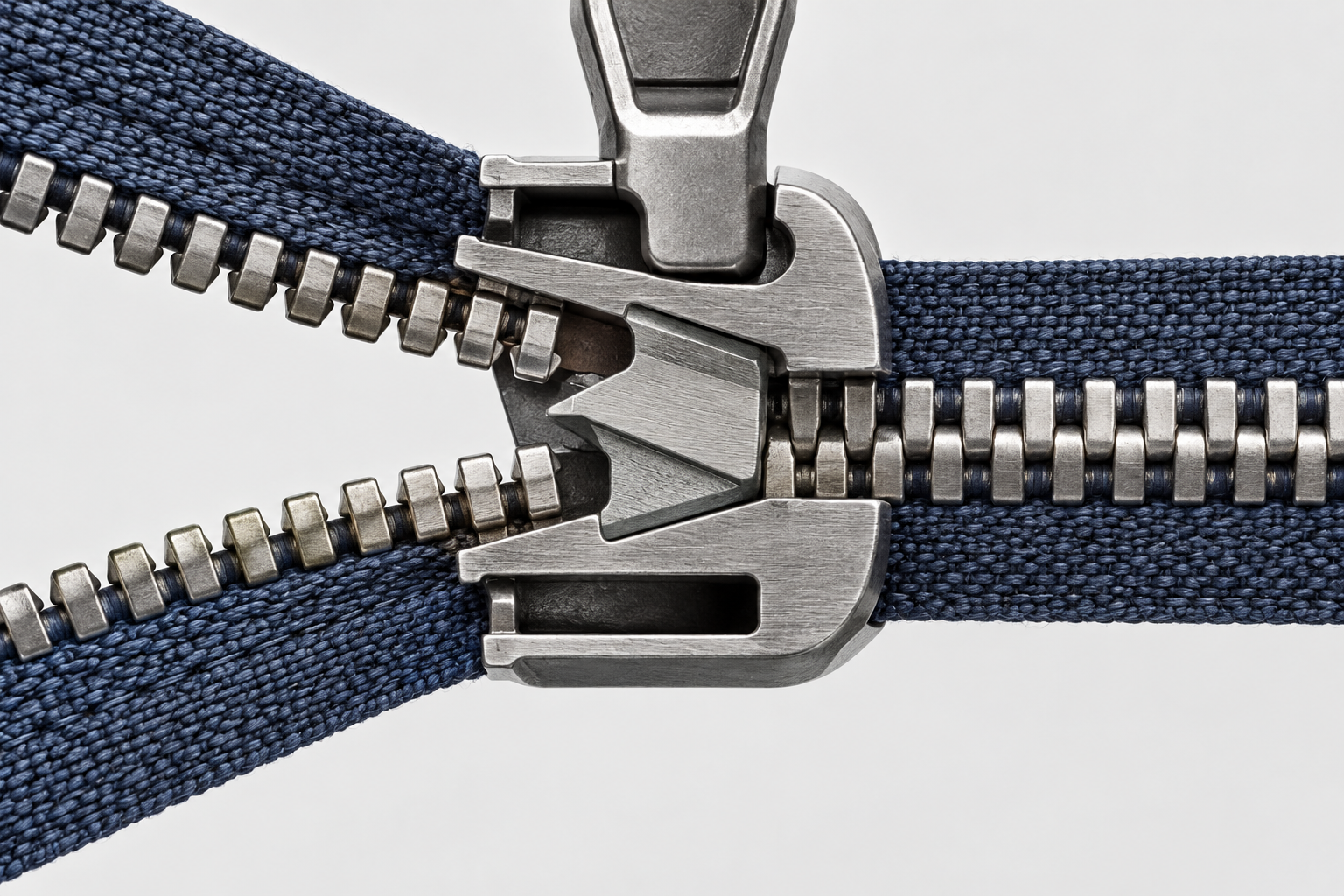

Cutaway illustration showing two rows of zip teeth being joined inside the slider.

How things work · 6 min read

How does a zip fastener stay closed?

A zip fastener looks simple, but its reliability depends on carefully shaped teeth, a precisely formed slider and forces that pull the two sides together.

An old book open on a library table with subtle wisps representing its changing chemical scent.

How things work · 6 min read

Why do old books smell so distinctive?

That familiar mix of vanilla, wood, grass and mustiness is not one mysterious scent. It is a chemical record of paper, ink, glue, storage conditions and slow ageing.

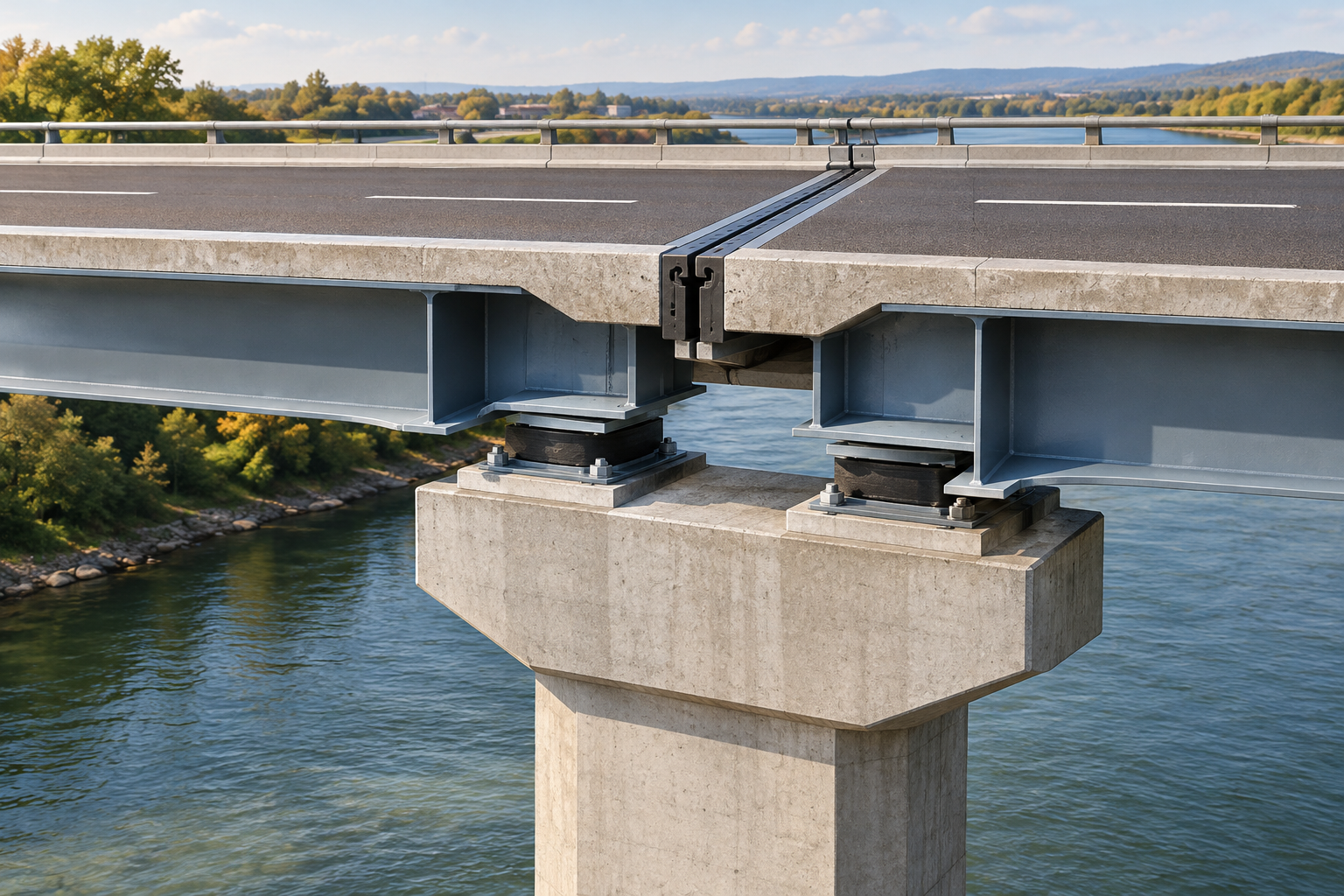
Cutaway illustration showing an expansion joint in a bridge deck and bearings beneath the structure.

How things work · 6 min read

Why do bridges have expansion joints?

The gaps you feel while crossing a bridge are carefully designed movement points. They help a bridge respond to heat, cold, traffic and small structural movements without cracking itself apart.

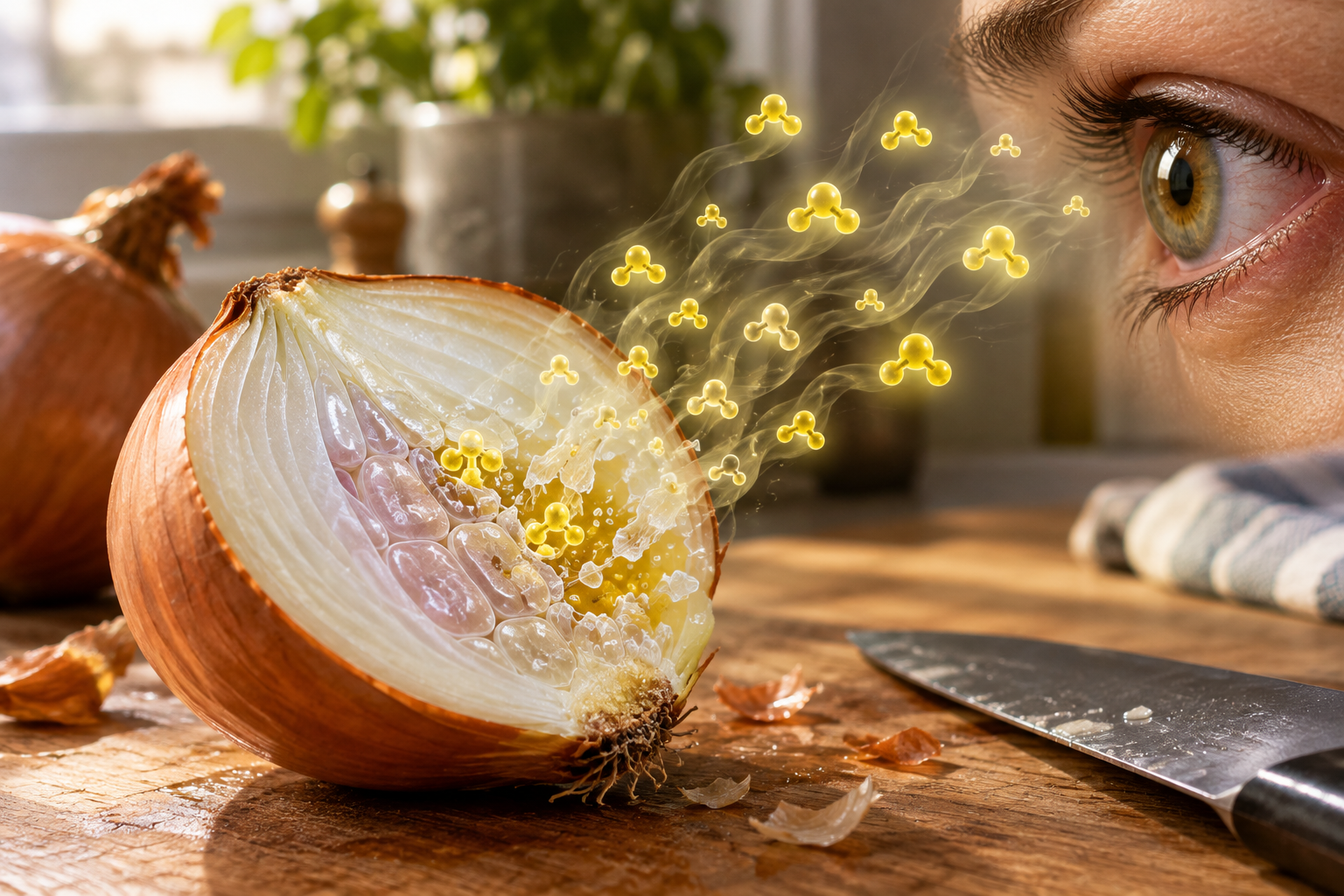
Conceptual illustration of cut onion cells releasing volatile compounds that travel towards an eye.

How things work · 6 min read

Why do cut onions make your eyes water?

Cutting an onion is a tiny chemical chain reaction. Damaged cells release enzymes that create a volatile sulphur compound, which reaches the eye and triggers a protective flow of tears.

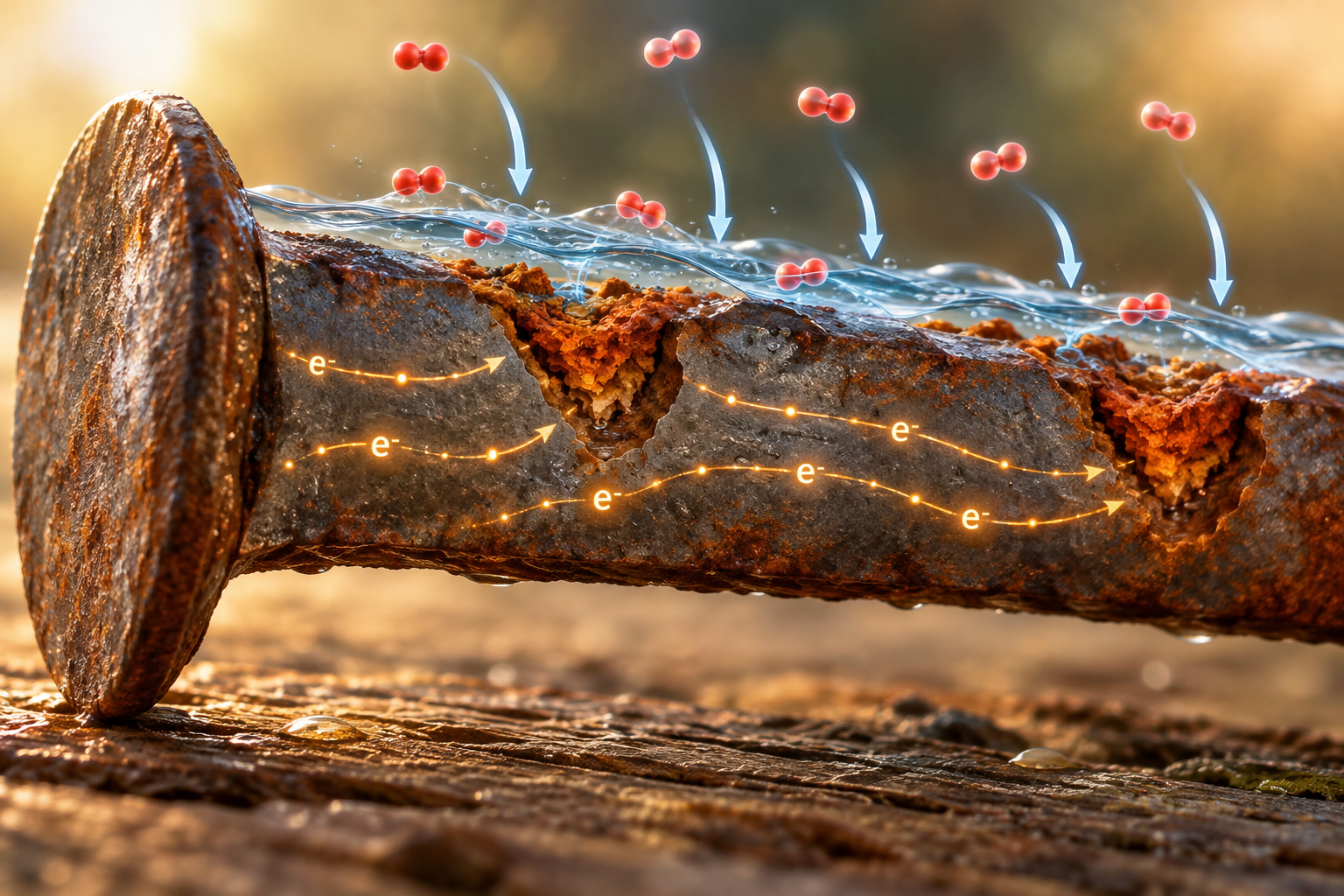
Conceptual cutaway showing water and oxygen driving rust formation on an iron surface.

How things work · 6 min read

Why does iron rust?

That familiar orange-brown coating is not simply iron getting dirty. Rust is the visible result of a small electrochemical reaction involving iron, water and oxygen.

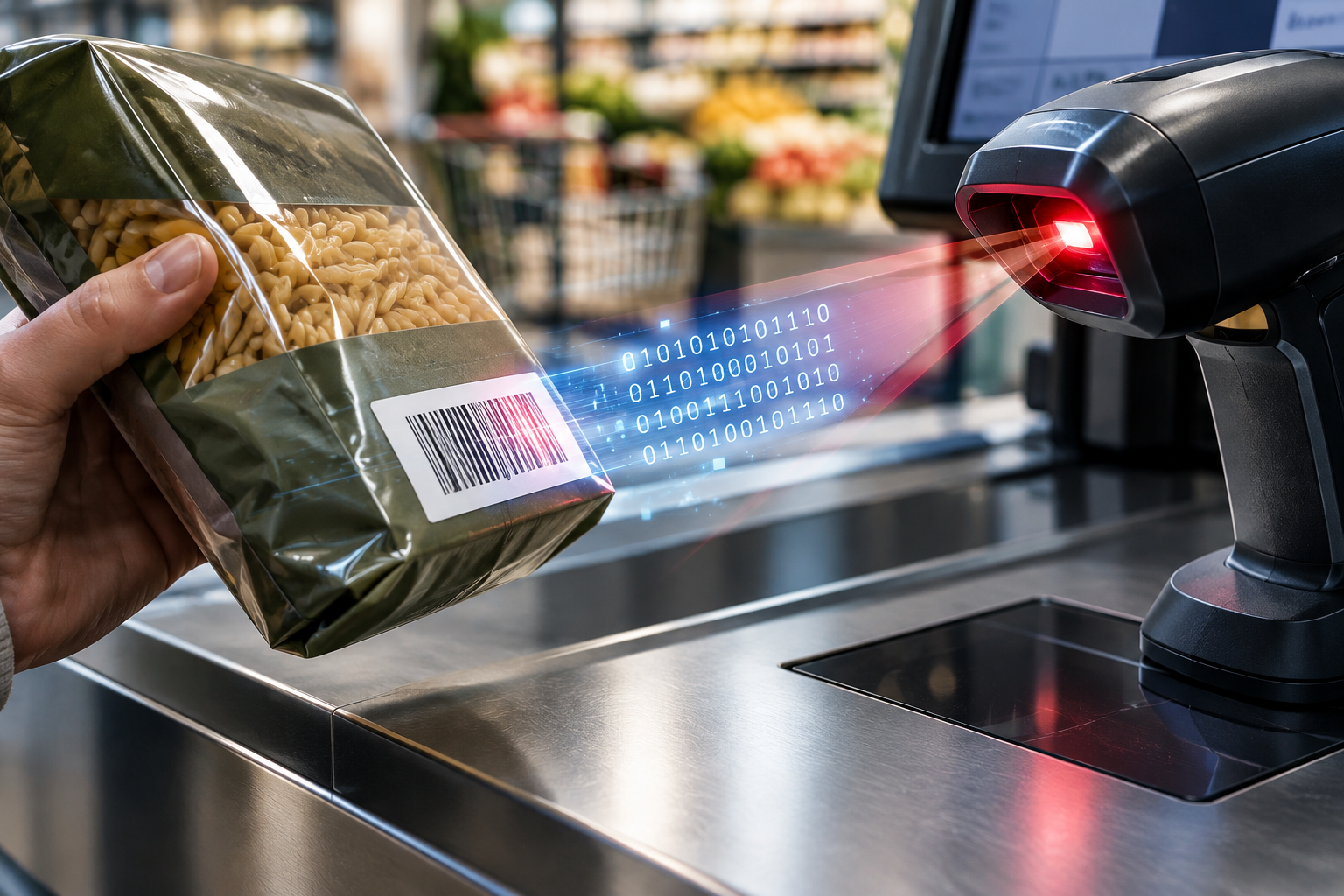
A barcode being scanned at a supermarket checkout

How things work · 6 min read

How does a barcode store information?

Those familiar black stripes are not tiny pictures of a product. They are a compact visual language that lets scanners turn patterns of light and dark into numbers, identifiers and instructions for computer systems.

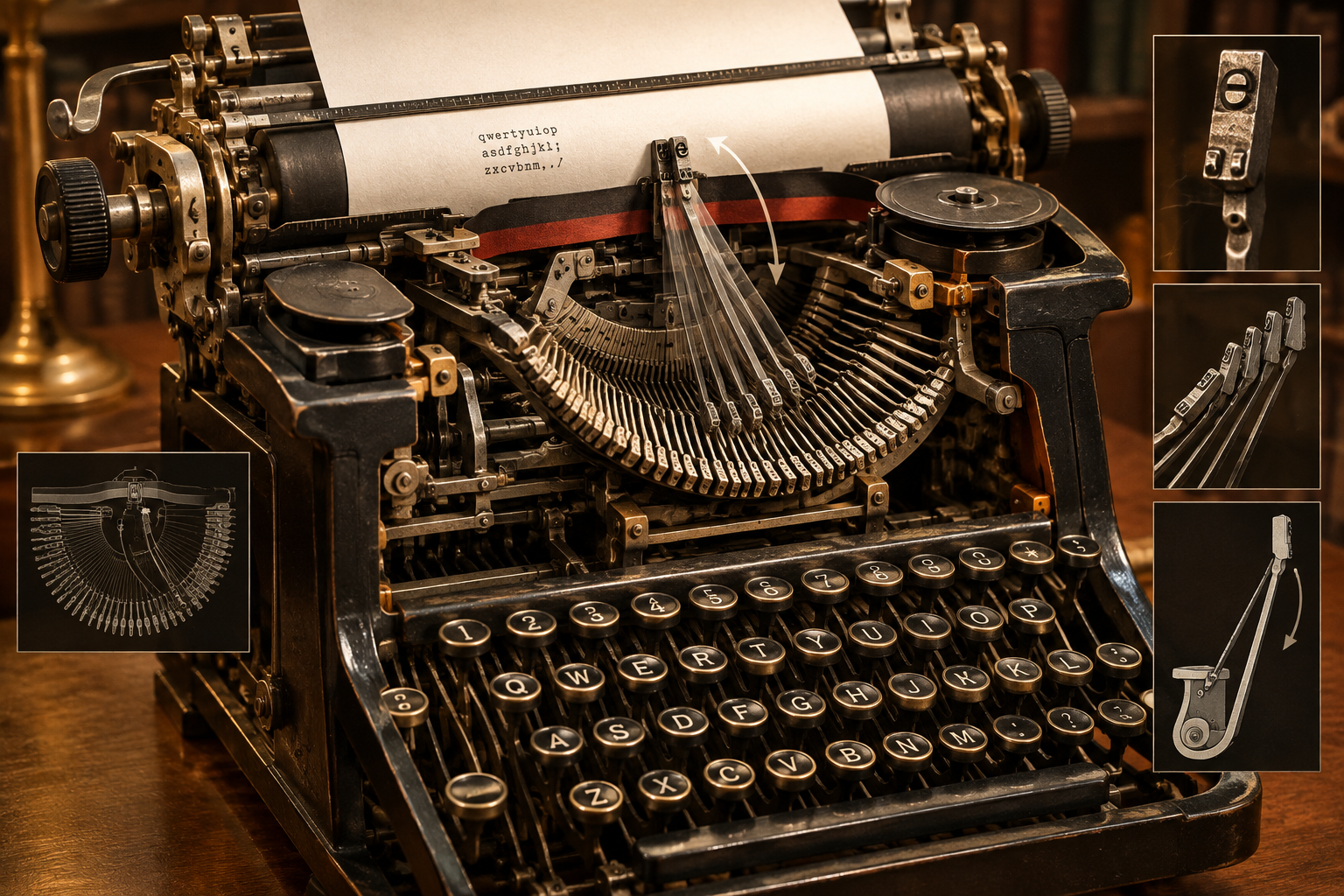
Cutaway illustration of a mechanical typewriter with metal typebars and a QWERTY keyboard

How things work · 6 min read

Why is the QWERTY keyboard arranged that way?

The familiar keyboard layout was shaped by the mechanical problems of 19th-century typewriters, then preserved by training, habit and the arrival of computers.

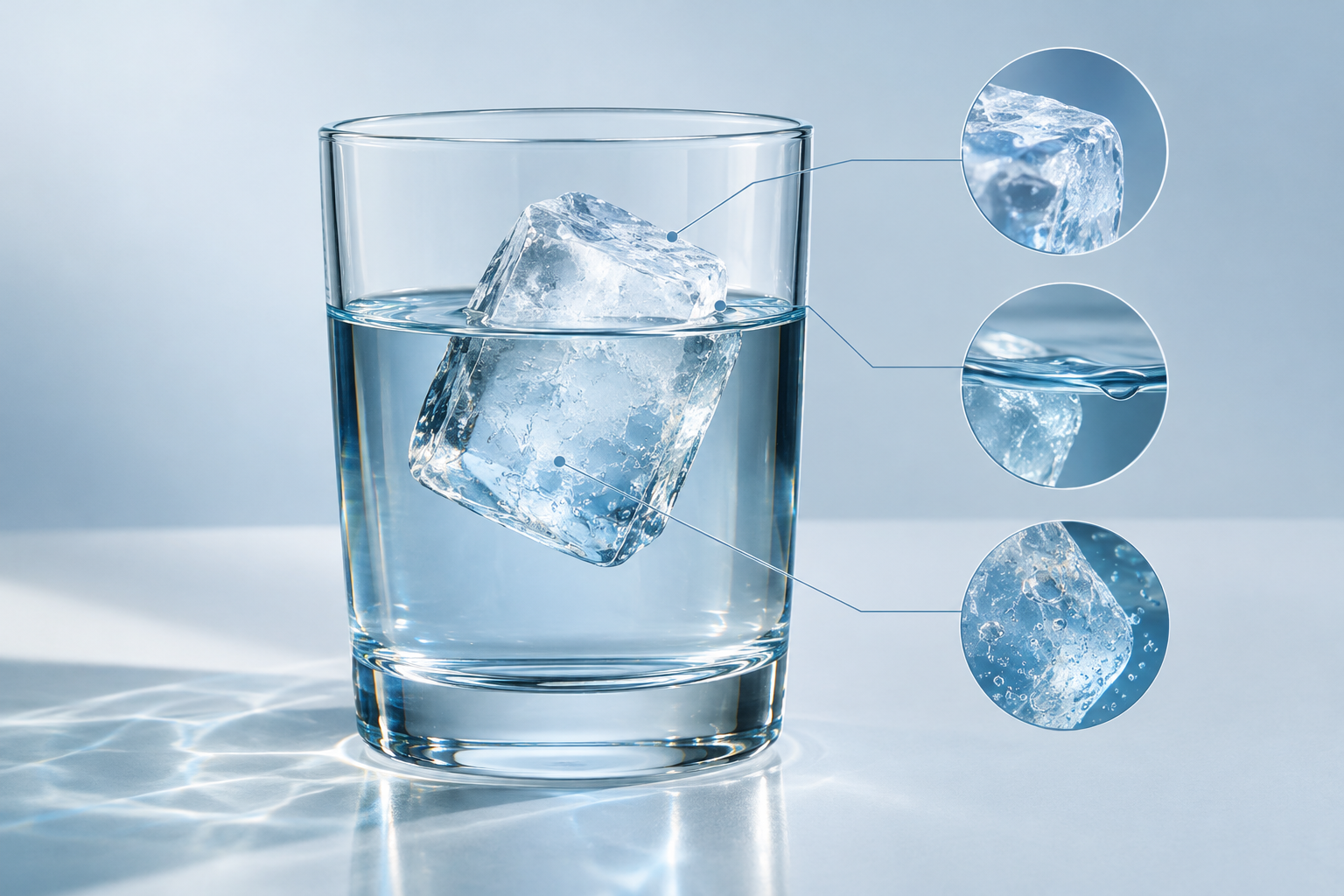
An ice cube floating partly above the surface of water in a glass.

How things work · 8 min read

Why does ice float on water?

Ice behaves unlike most solids: when liquid water freezes, it expands instead of shrinking. That gives ice a lower density than liquid water—and lets it float.