History · 5 min read
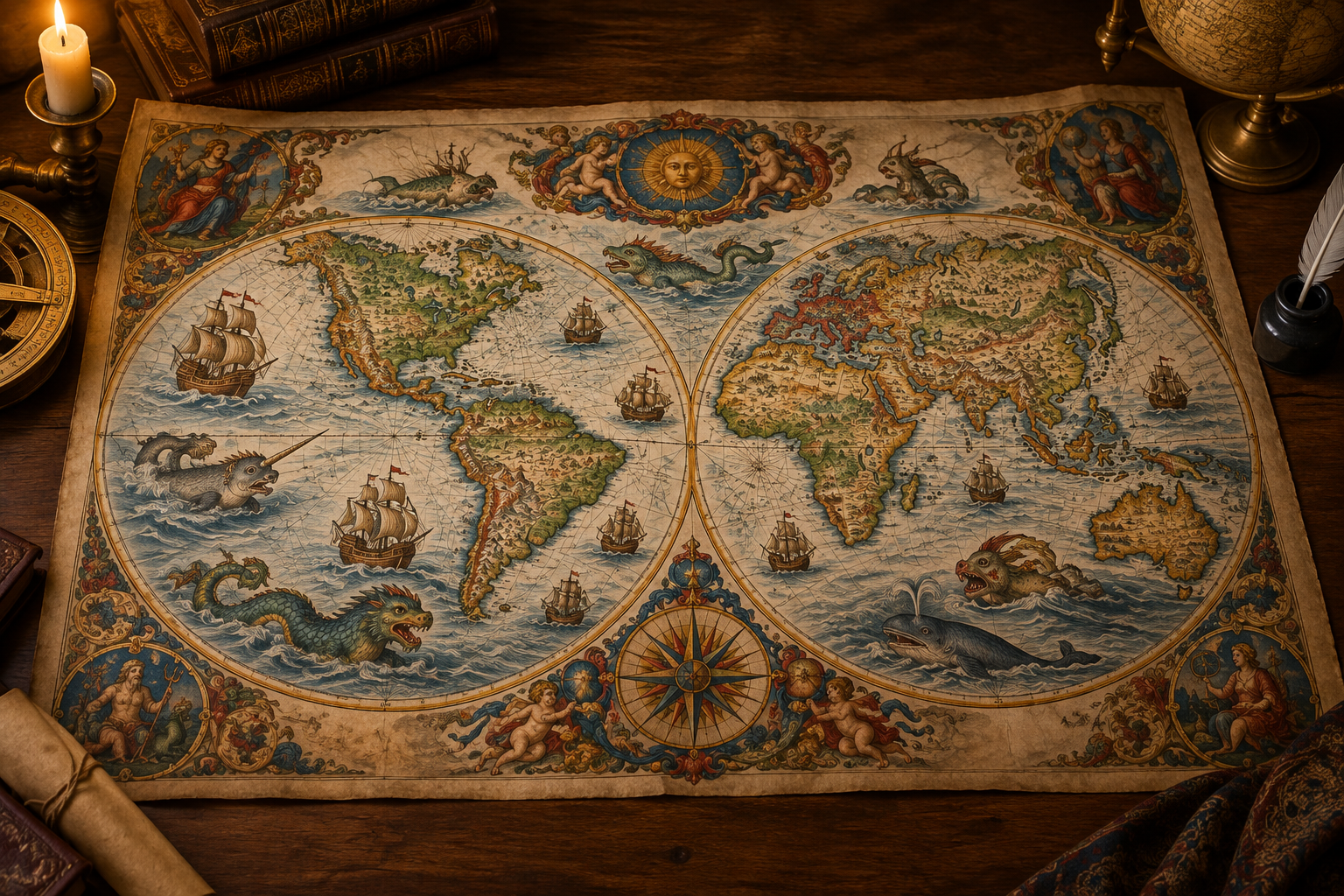
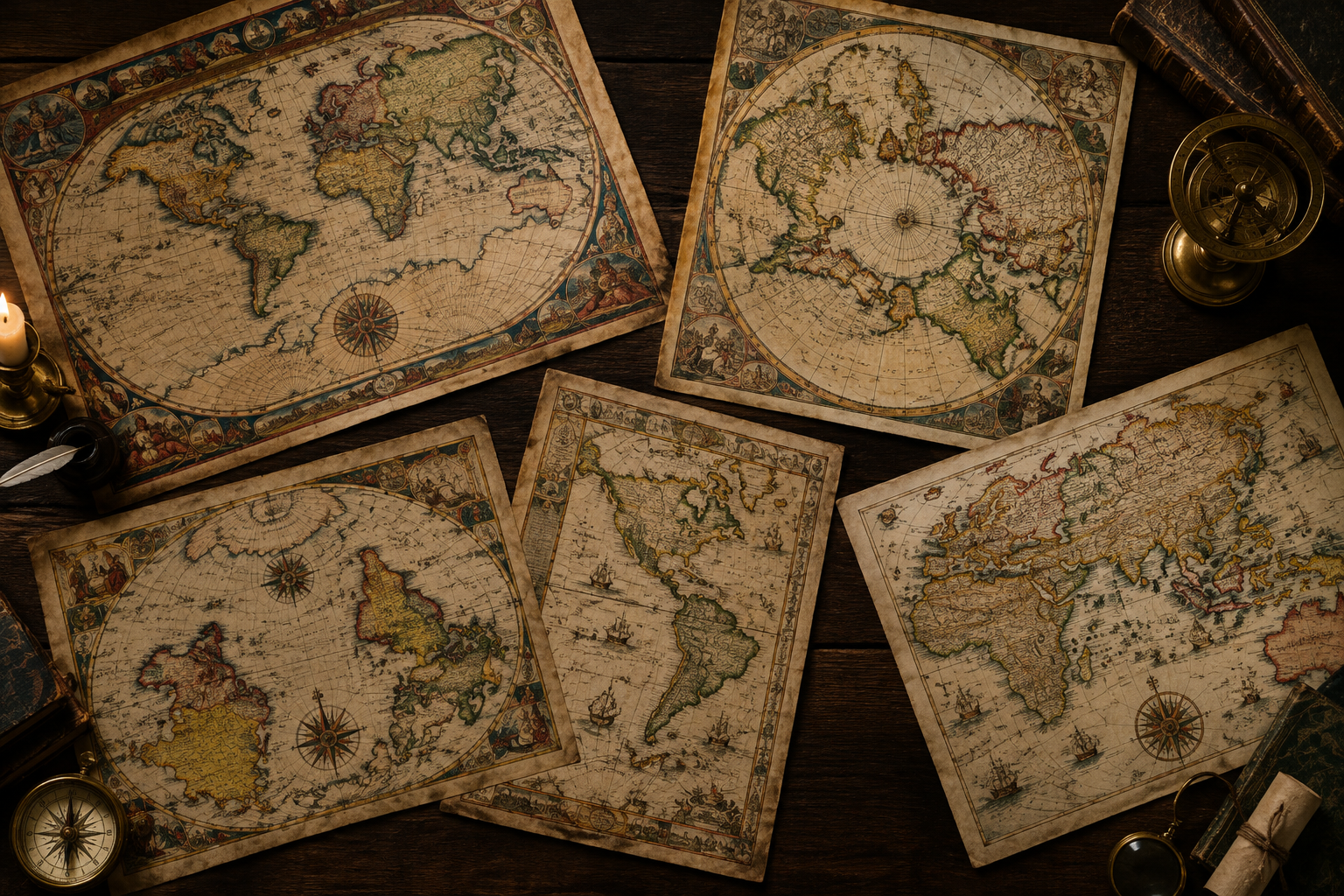
The creatures swimming across medieval and Renaissance maps were not simply mistakes—or proof that mapmakers believed every legend. They helped turn uncertainty, inherited stories and political ambition into a picture of the world.
History · 6 min read
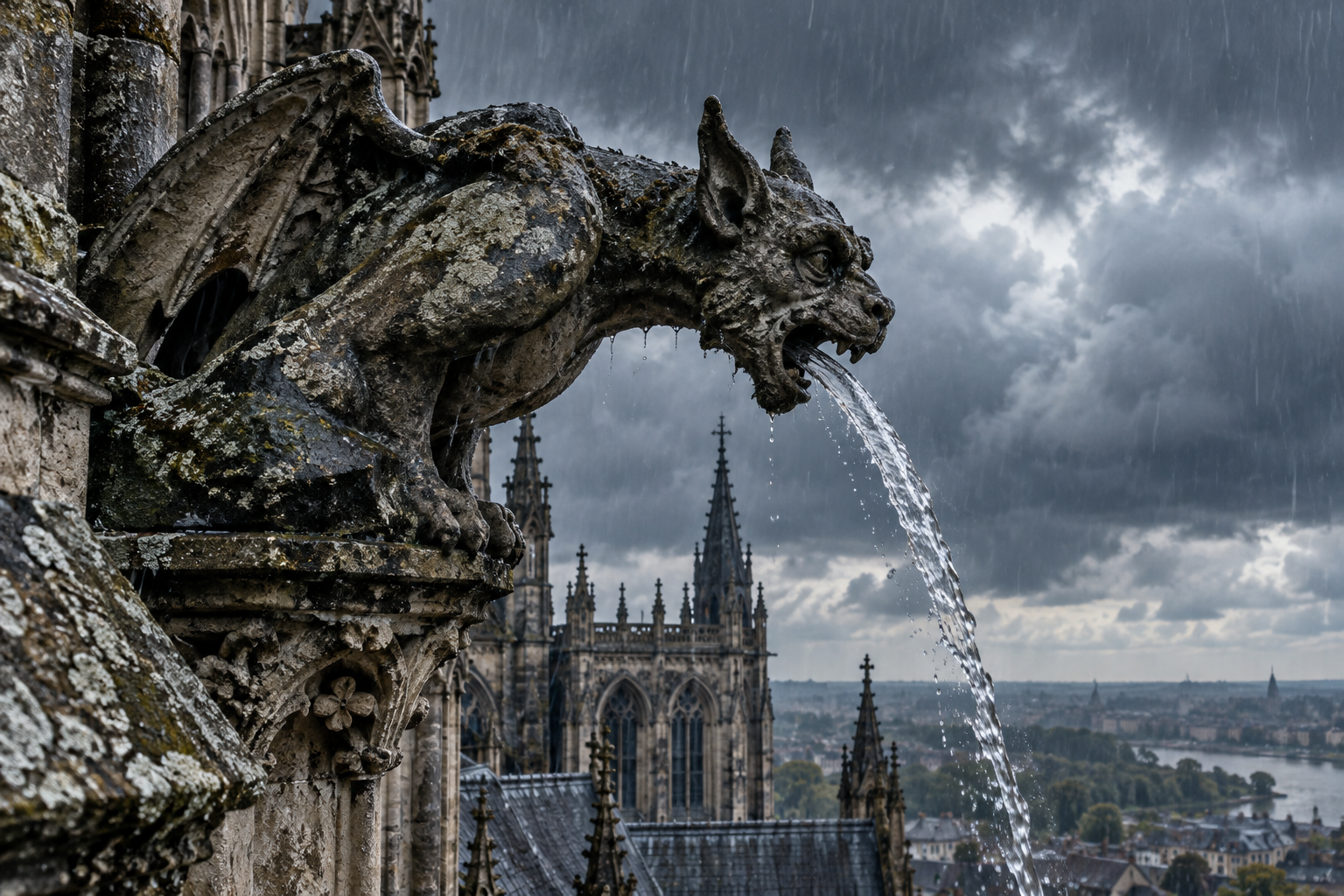
Those fierce stone creatures were not placed on old buildings for just one reason. Some carried rainwater away from walls, while others were purely decorative figures shaped by religious ideas, craftsmanship and a taste for the strange.
History · 6 min read
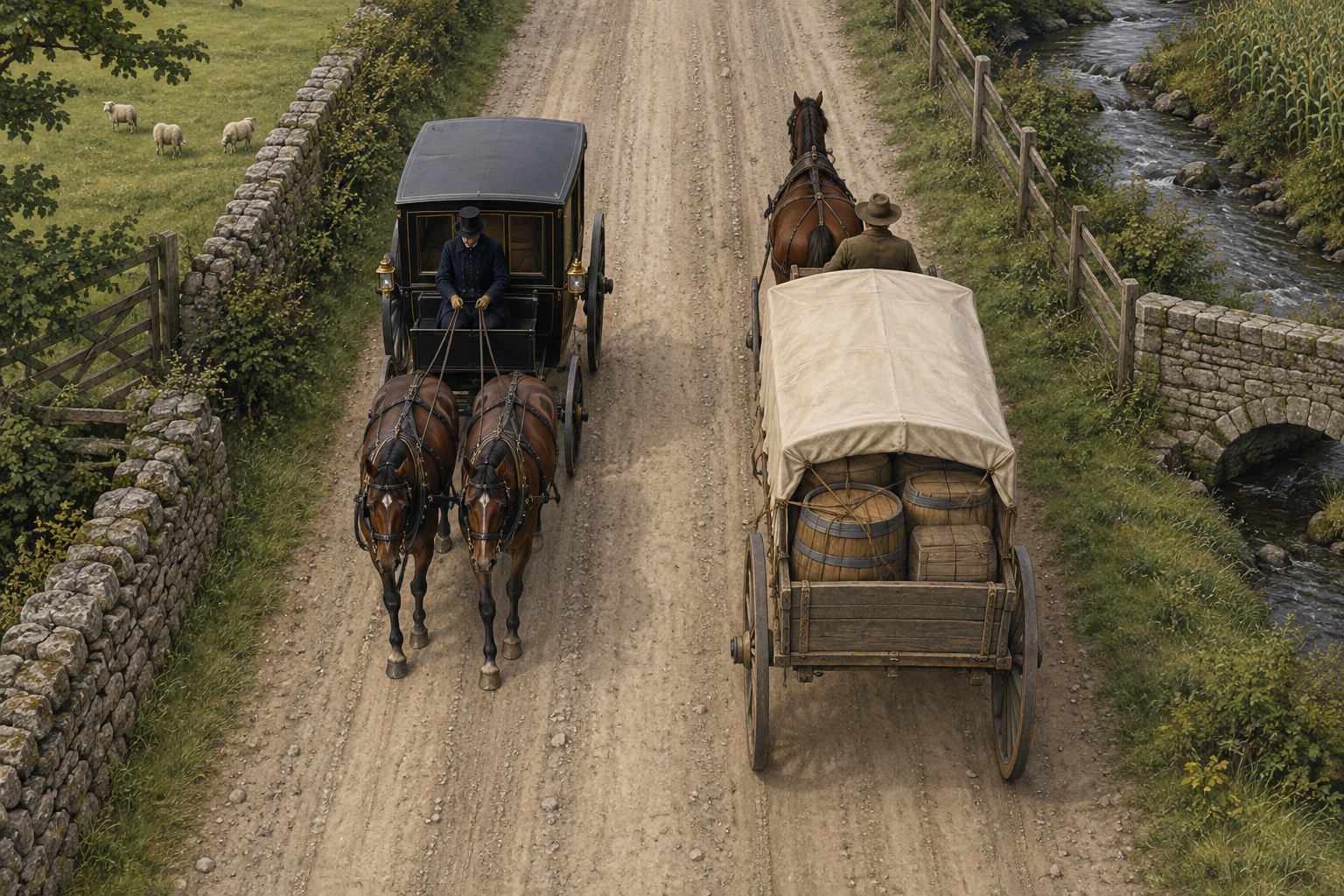
The side of the road a country uses is less about modern cars than centuries of inherited habits, laws, empires and freight wagons.
History · 6 min read
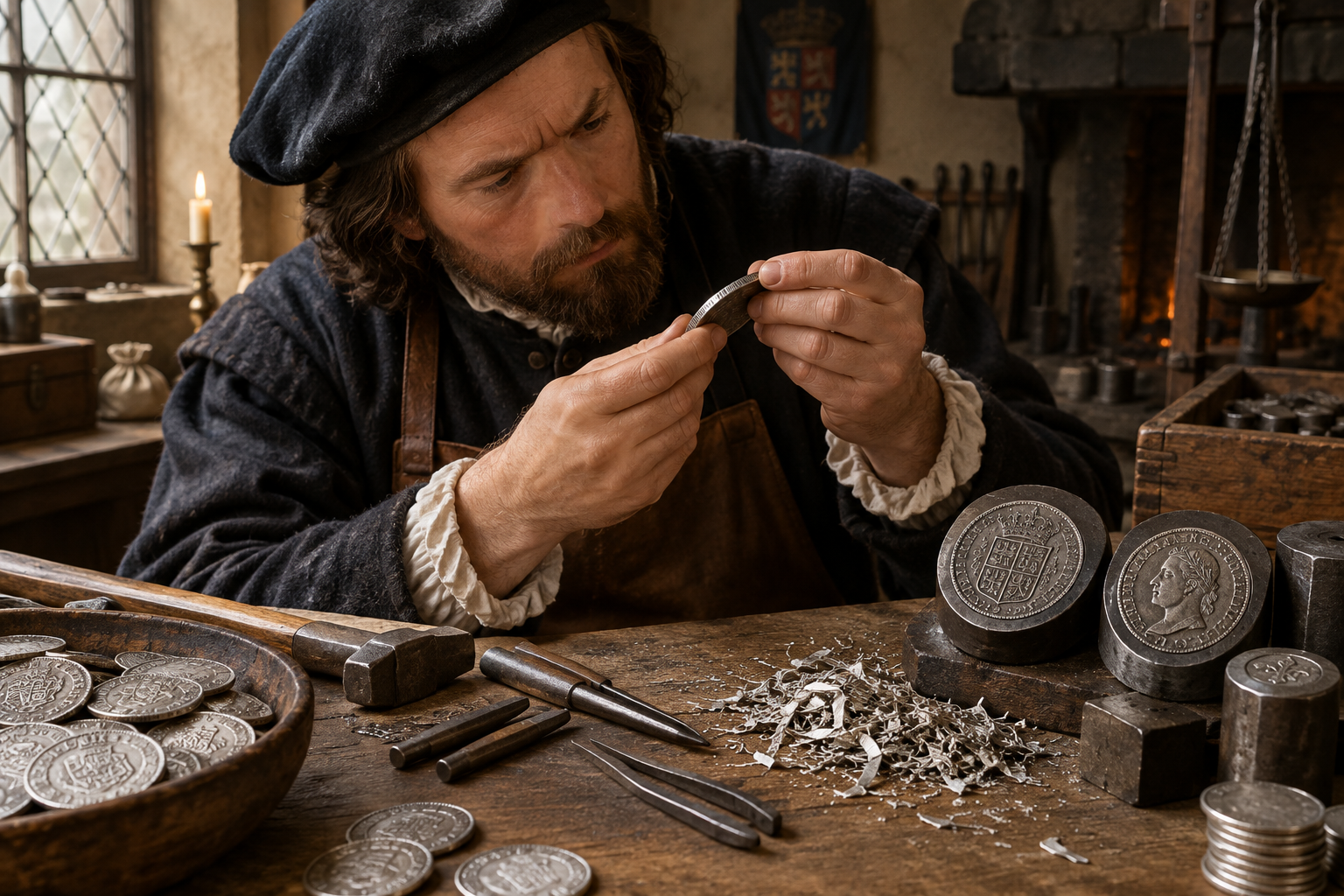
Those little grooves were designed to make an old kind of coin crime much easier to detect.
History · 6 min read
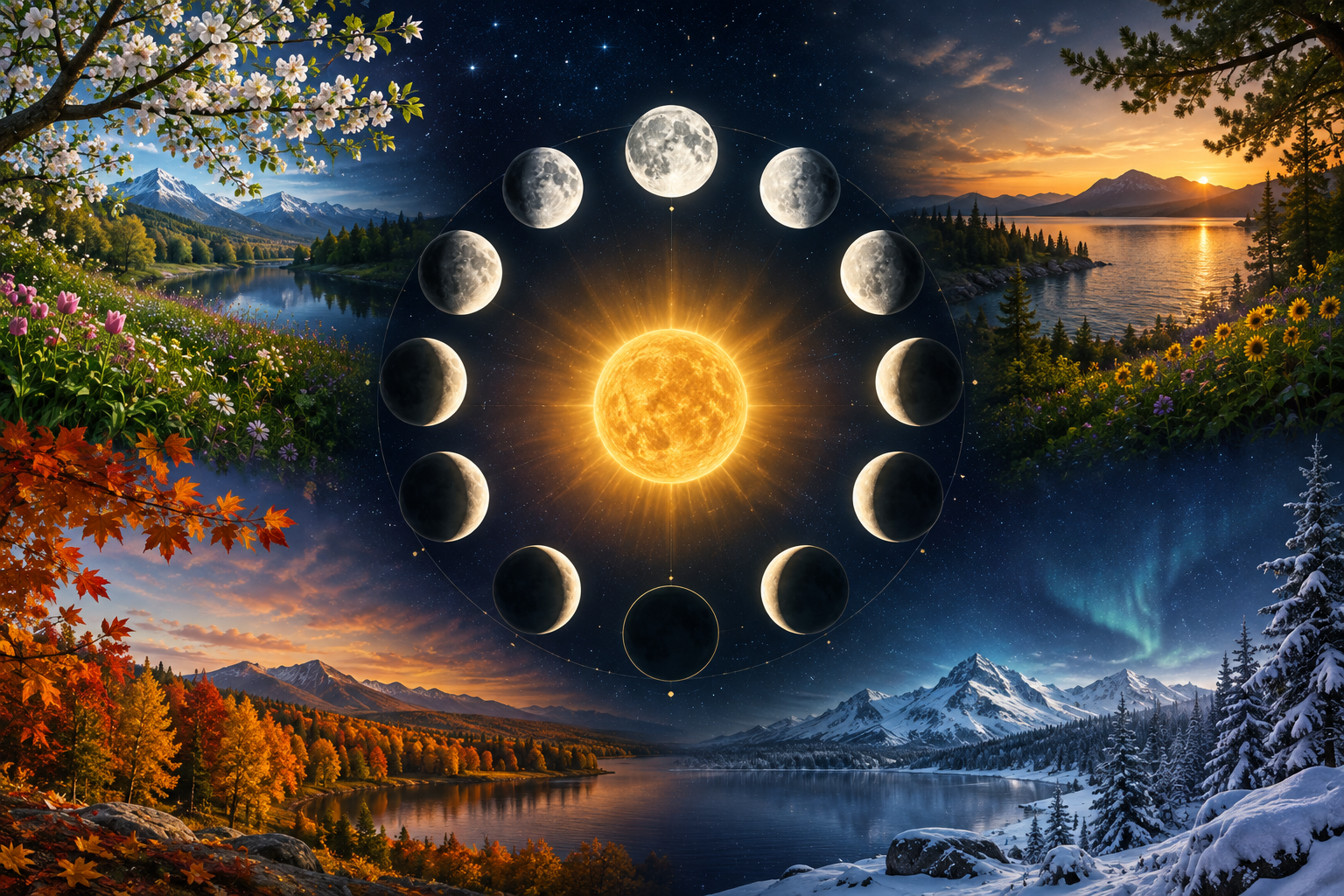
Our calendar is a compromise between the Sun, the Moon and ancient Roman administration. Twelve months became a useful bridge between those competing rhythms.
History · 7 min read
North is not naturally “up”. Maps could place any direction at the top, and many cultures once did. So how did one arrangement become the familiar global standard?
History · 8 min read
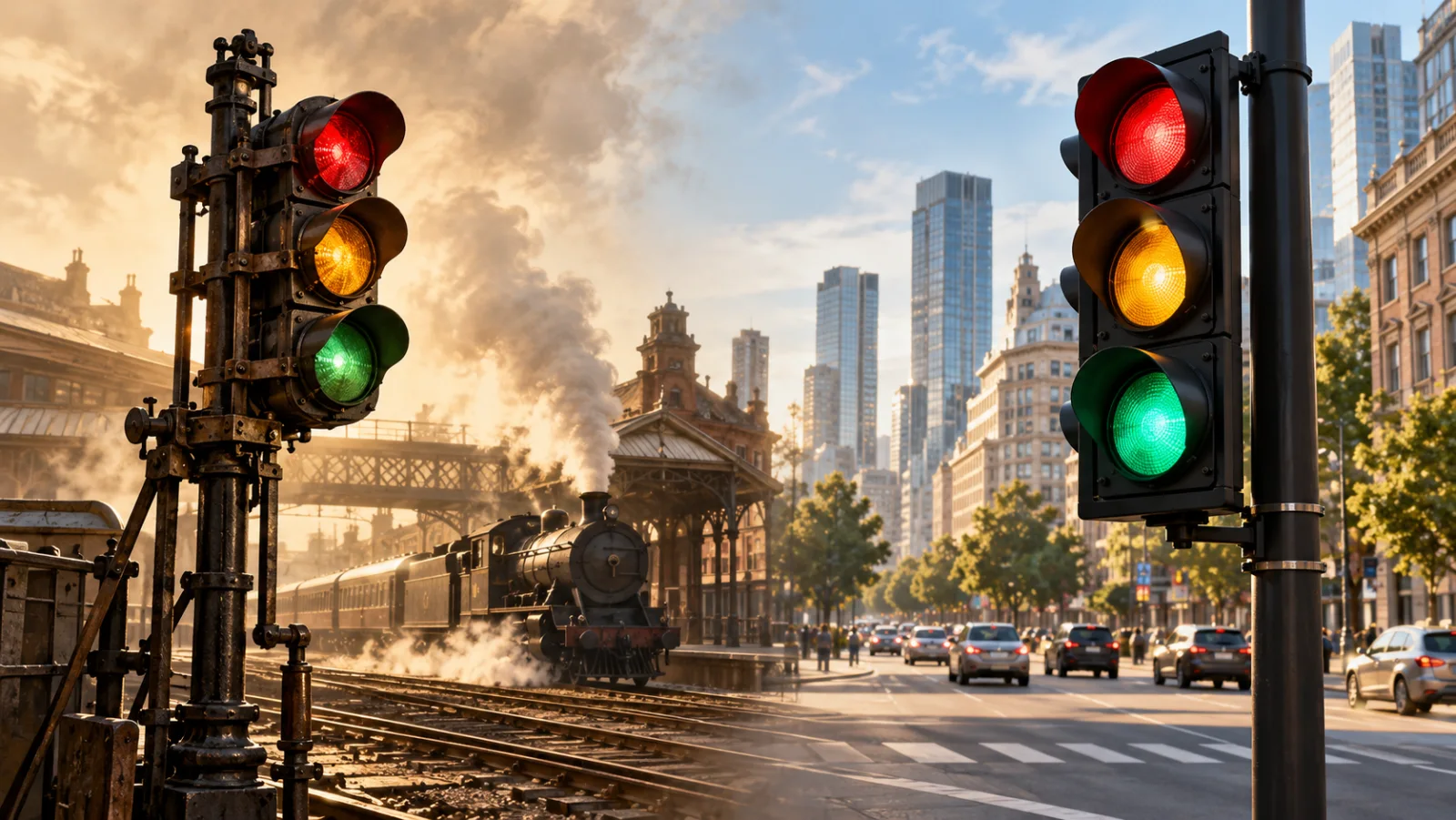
The colours were not chosen in one meeting. They travelled from nineteenth-century railways into crowded streets, then became a shared visual language through engineering and standardisation.
History · 12 min read
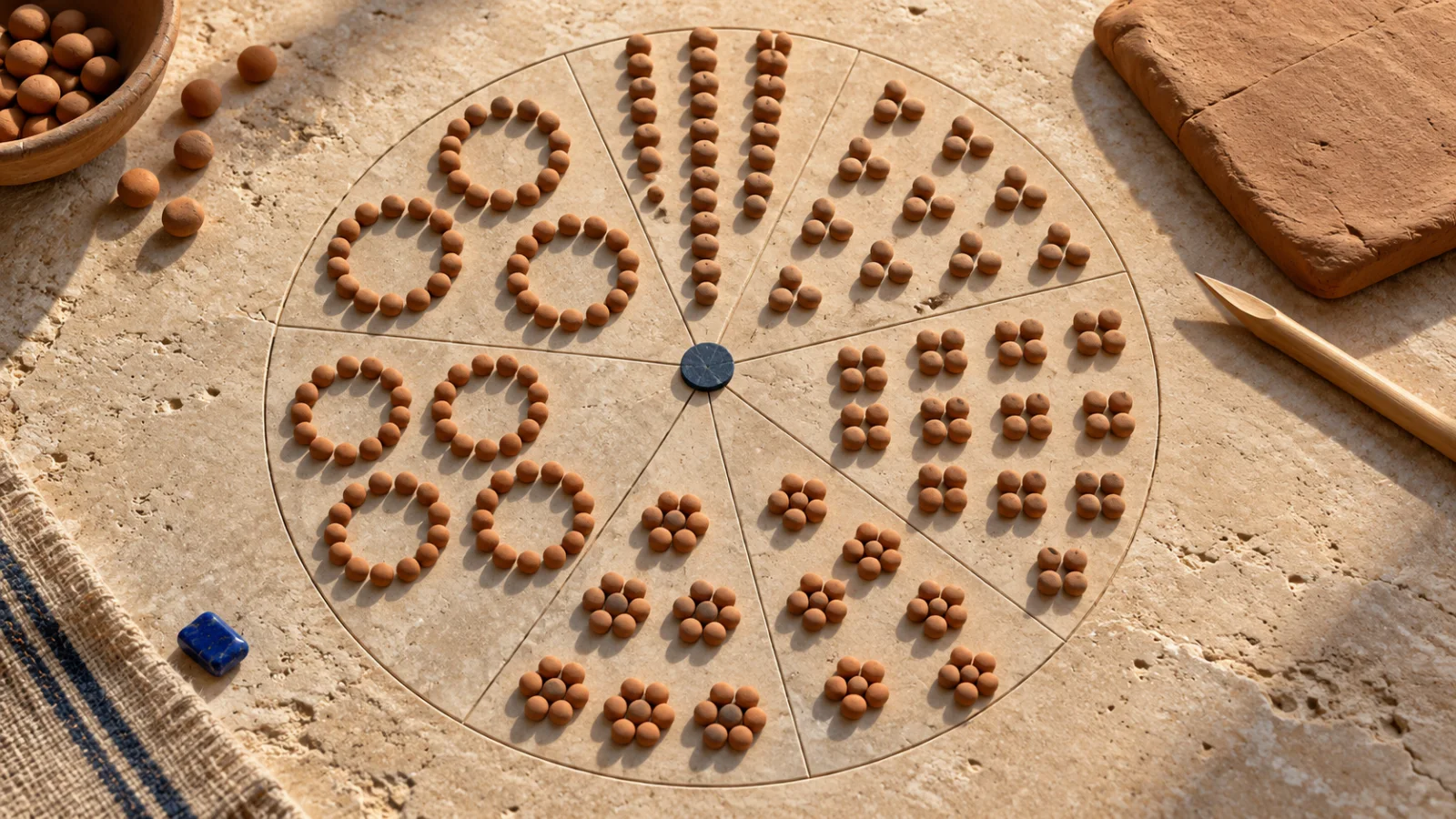
The answer crosses ancient Egyptian daylight, Babylonian mathematics, Greek astronomy, mechanical clocks and the caesium atom.