
How things work · 6 min read
Why does iron rust?
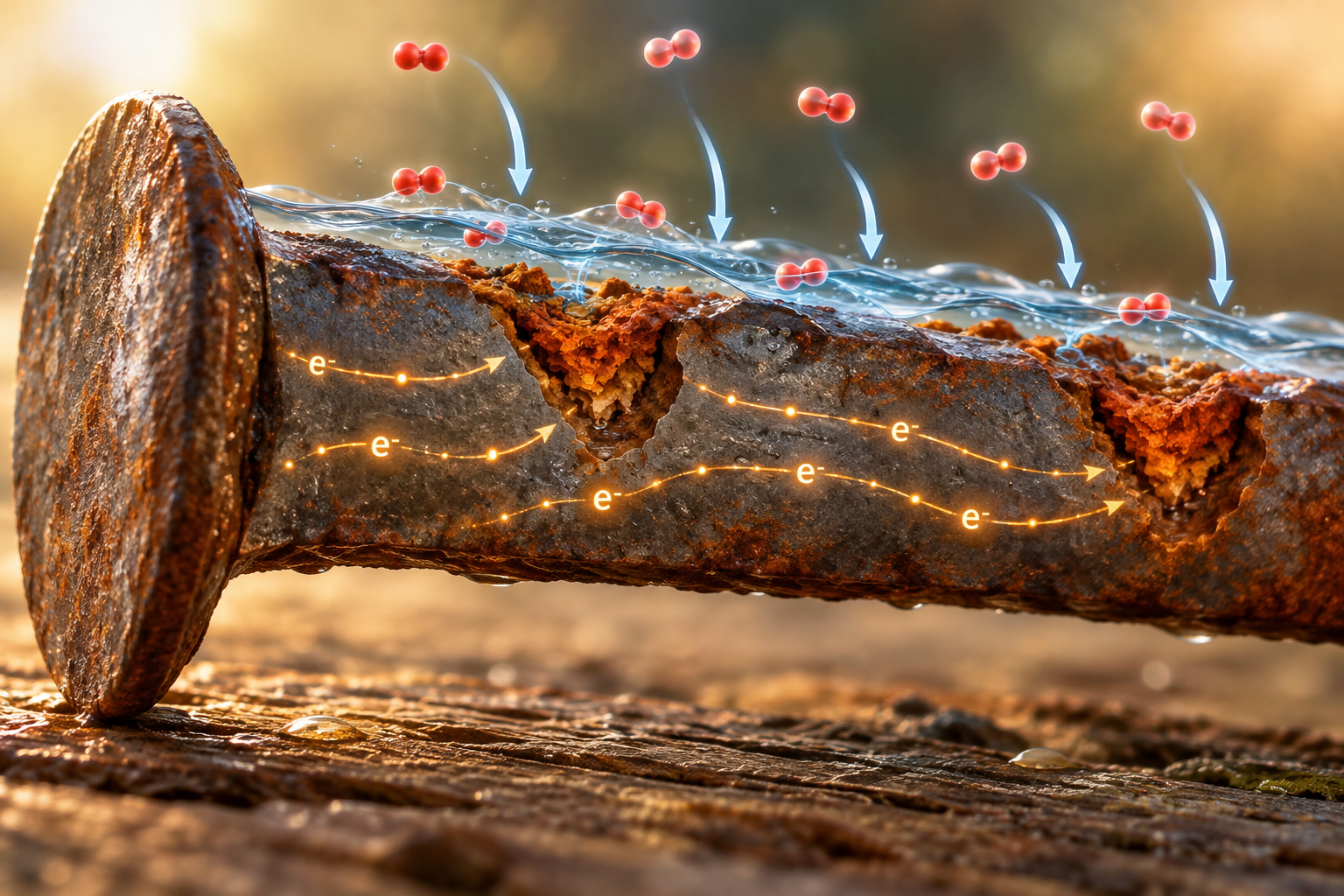
That familiar orange-brown coating is not simply iron getting dirty. Rust is the visible result of a small electrochemical reaction involving iron, water and oxygen.
ANTB Knowledge
Why things are the way they are, explained with real sources and pictures that make it stick.
Try , or
How things work · 6 min read
That familiar orange-brown coating is not simply iron getting dirty. Rust is the visible result of a small electrochemical reaction involving iron, water and oxygen.
Culture · 6 min read
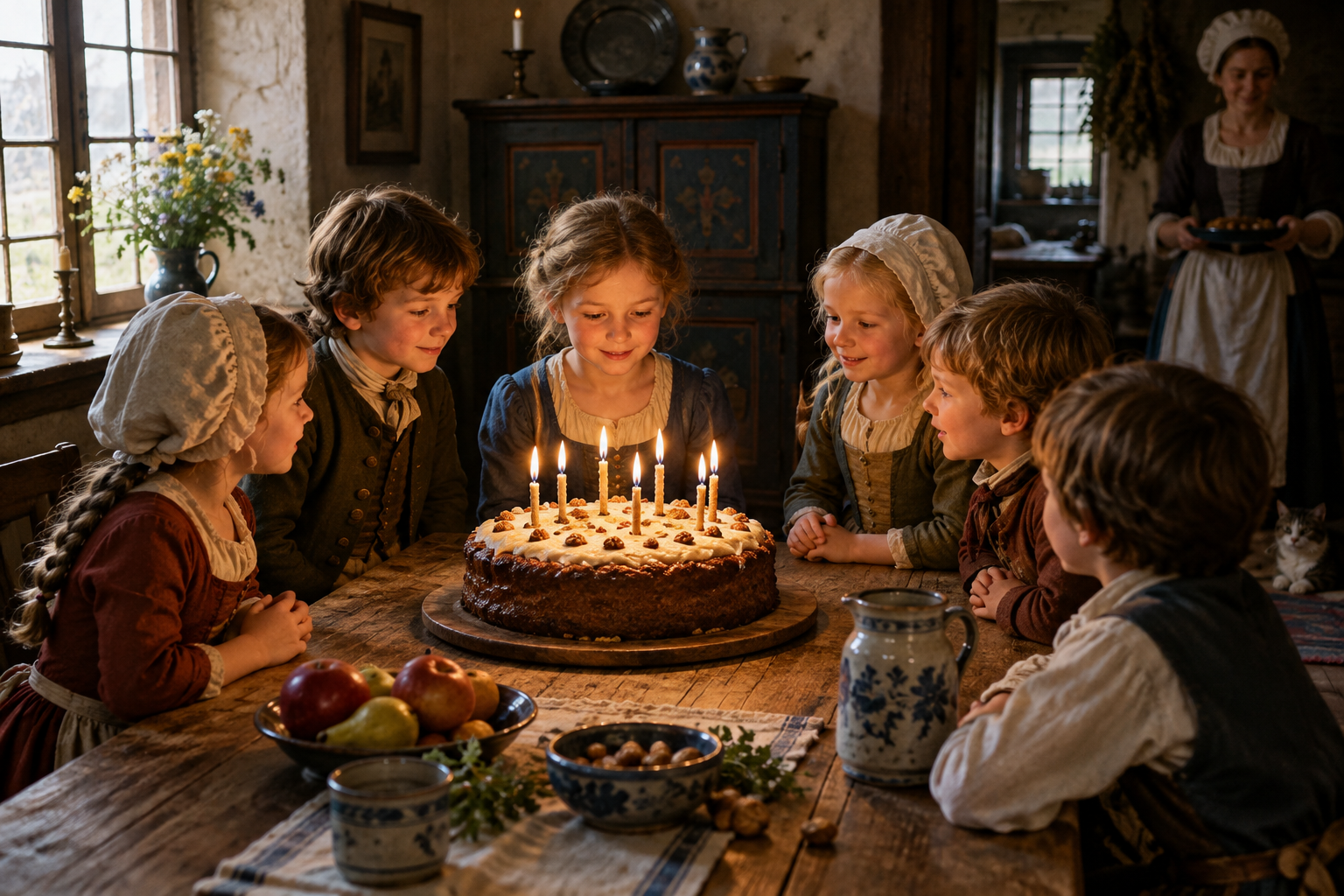
The birthday candle looks ancient, but the tradition we recognise today is more likely a modern European custom with older symbolic echoes.

How things work · 6 min read
Those familiar black stripes are not tiny pictures of a product. They are a compact visual language that lets scanners turn patterns of light and dark into numbers, identifiers and instructions for computer systems.
How things work · 6 min read
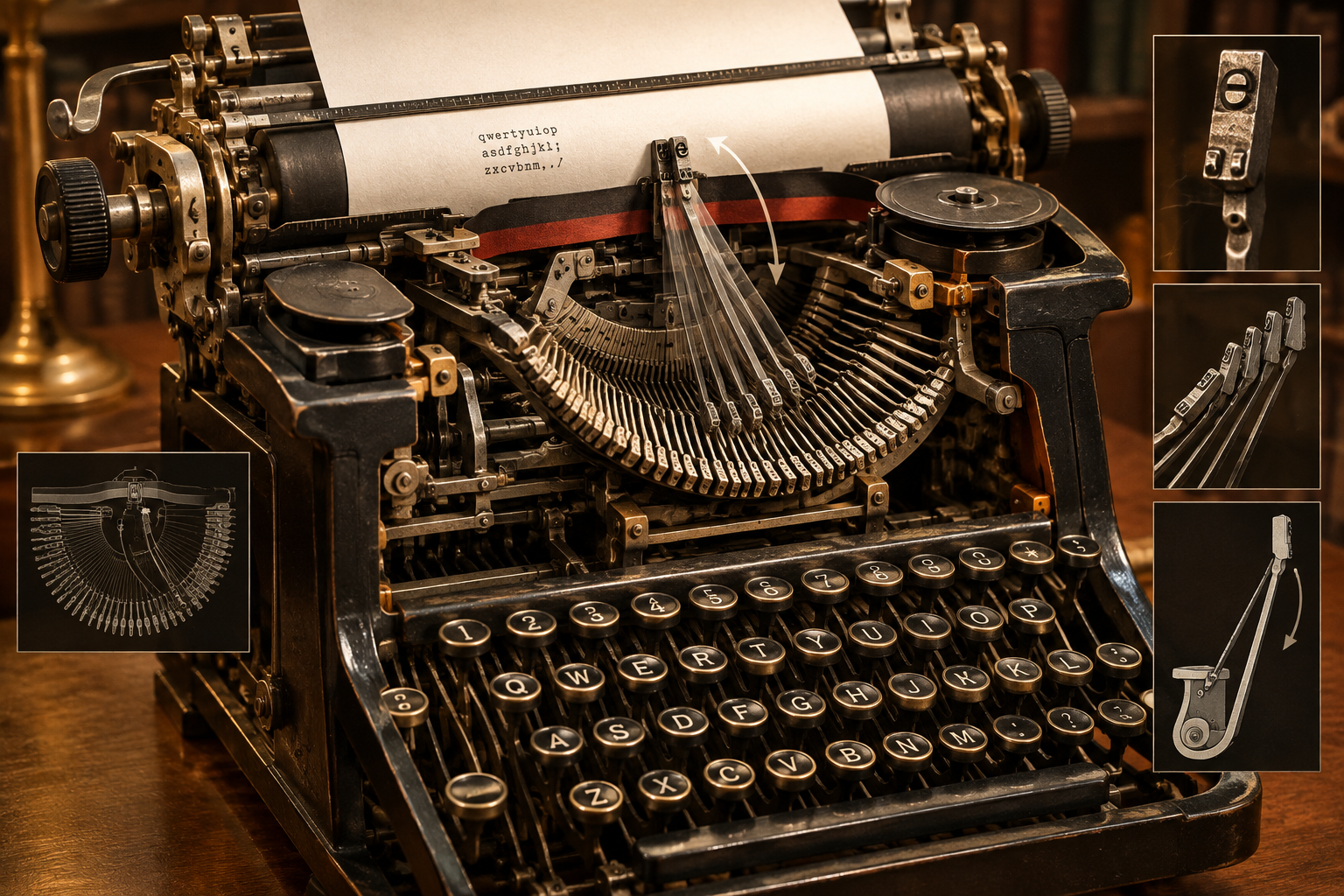
The familiar keyboard layout was shaped by the mechanical problems of 19th-century typewriters, then preserved by training, habit and the arrival of computers.
History · 6 min read
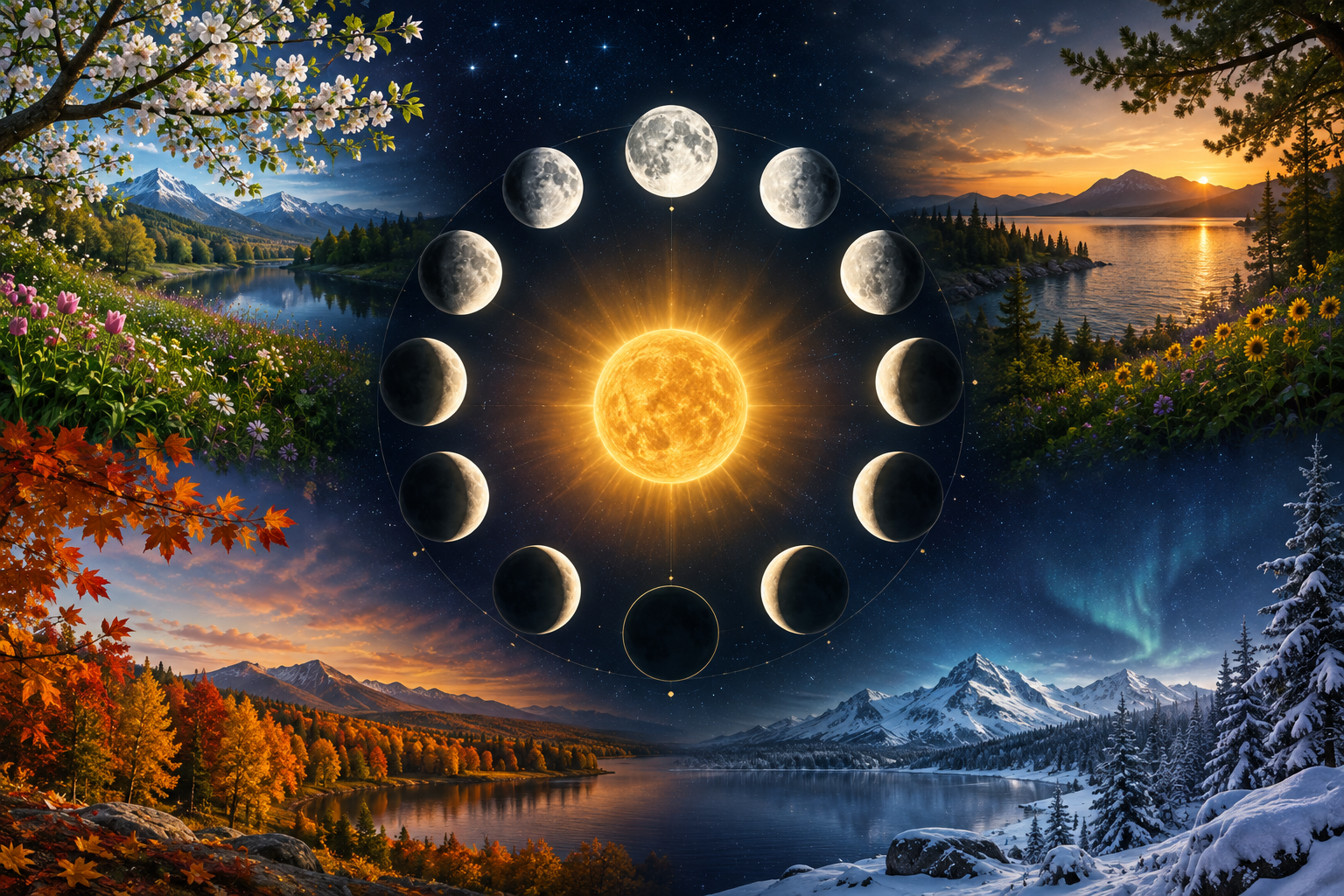
Our calendar is a compromise between the Sun, the Moon and ancient Roman administration. Twelve months became a useful bridge between those competing rhythms.
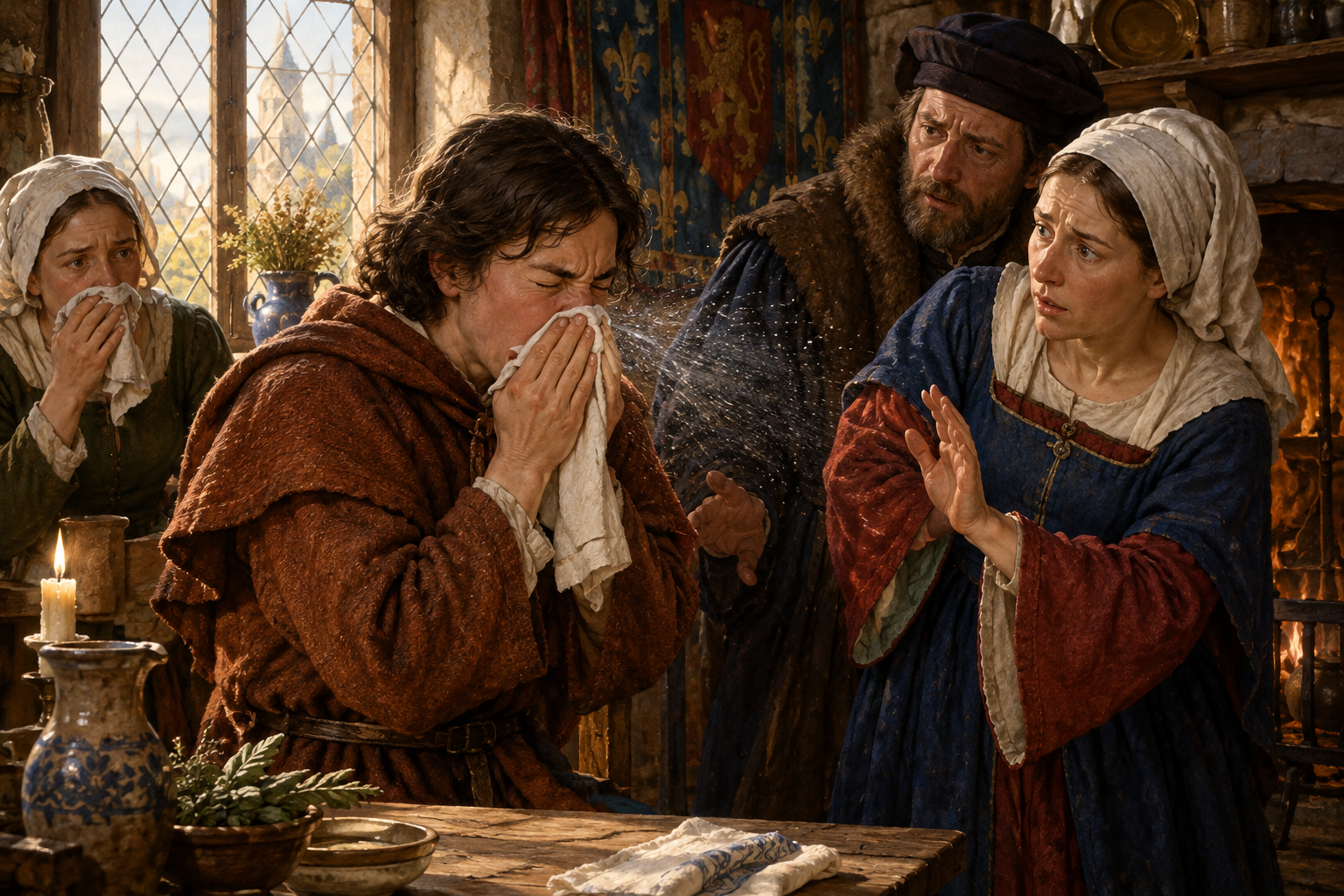
Culture · 6 min read
The phrase sounds religious, but its history is a mixture of illness, superstition, good manners and stories that became more certain each time they were repeated.

How things work · 8 min read
Ice behaves unlike most solids: when liquid water freezes, it expands instead of shrinking. That gives ice a lower density than liquid water—and lets it float.
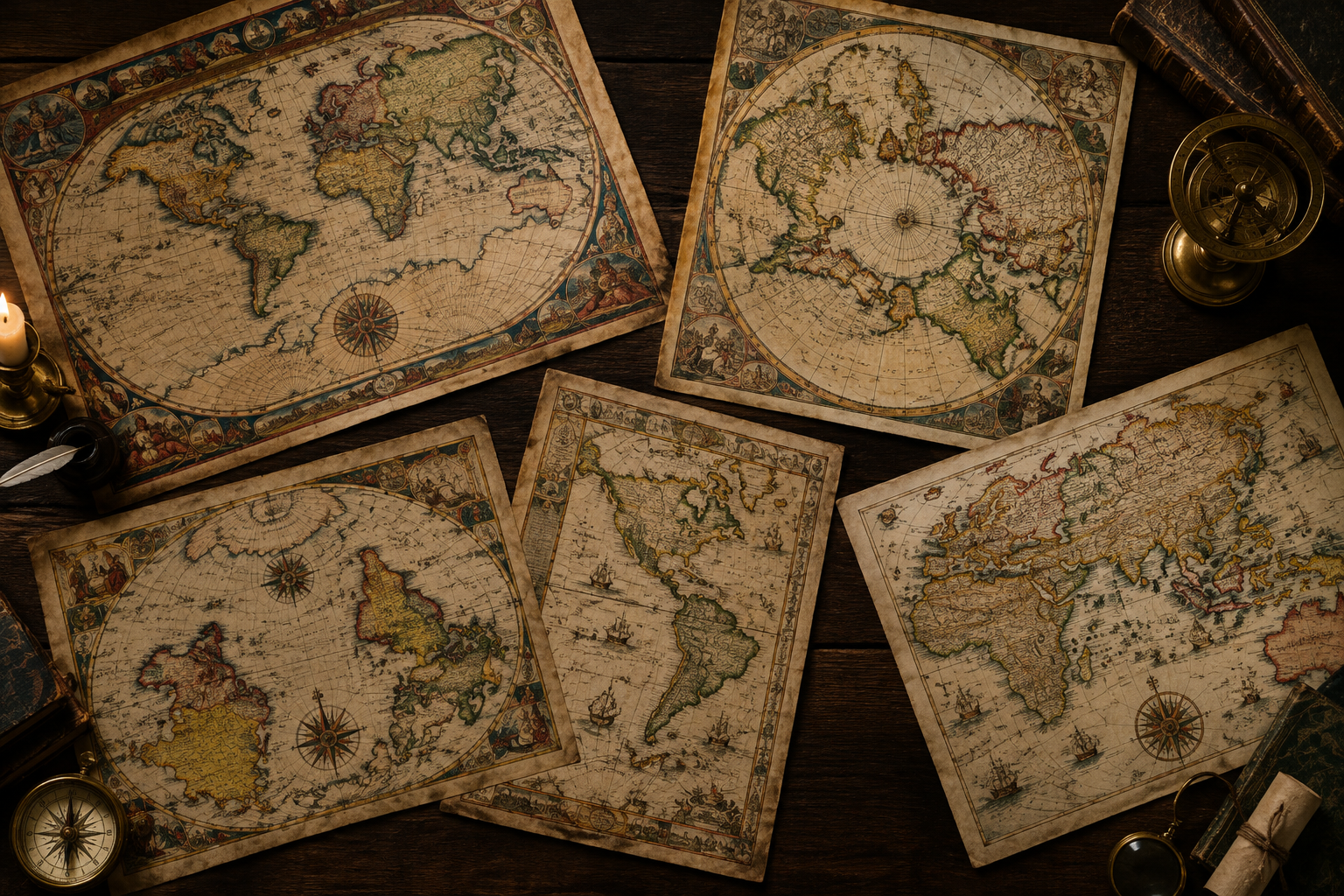
History · 7 min read
North is not naturally “up”. Maps could place any direction at the top, and many cultures once did. So how did one arrangement become the familiar global standard?

Culture · 7 min read
A tiny tap on a table can interrupt a boast, protect a hope and connect us to a tradition whose original source is still uncertain.
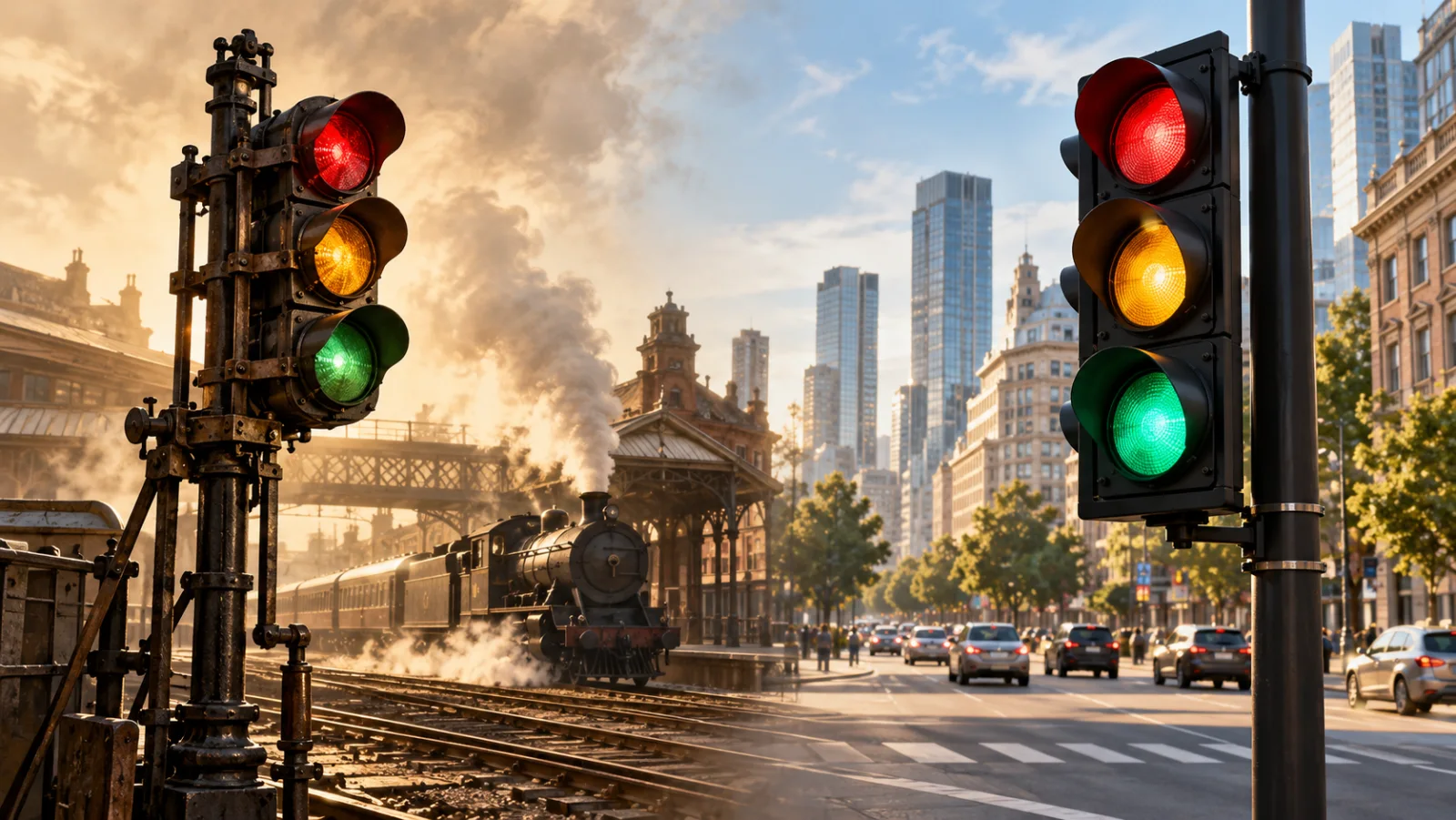
History · 8 min read
The colours were not chosen in one meeting. They travelled from nineteenth-century railways into crowded streets, then became a shared visual language through engineering and standardisation.
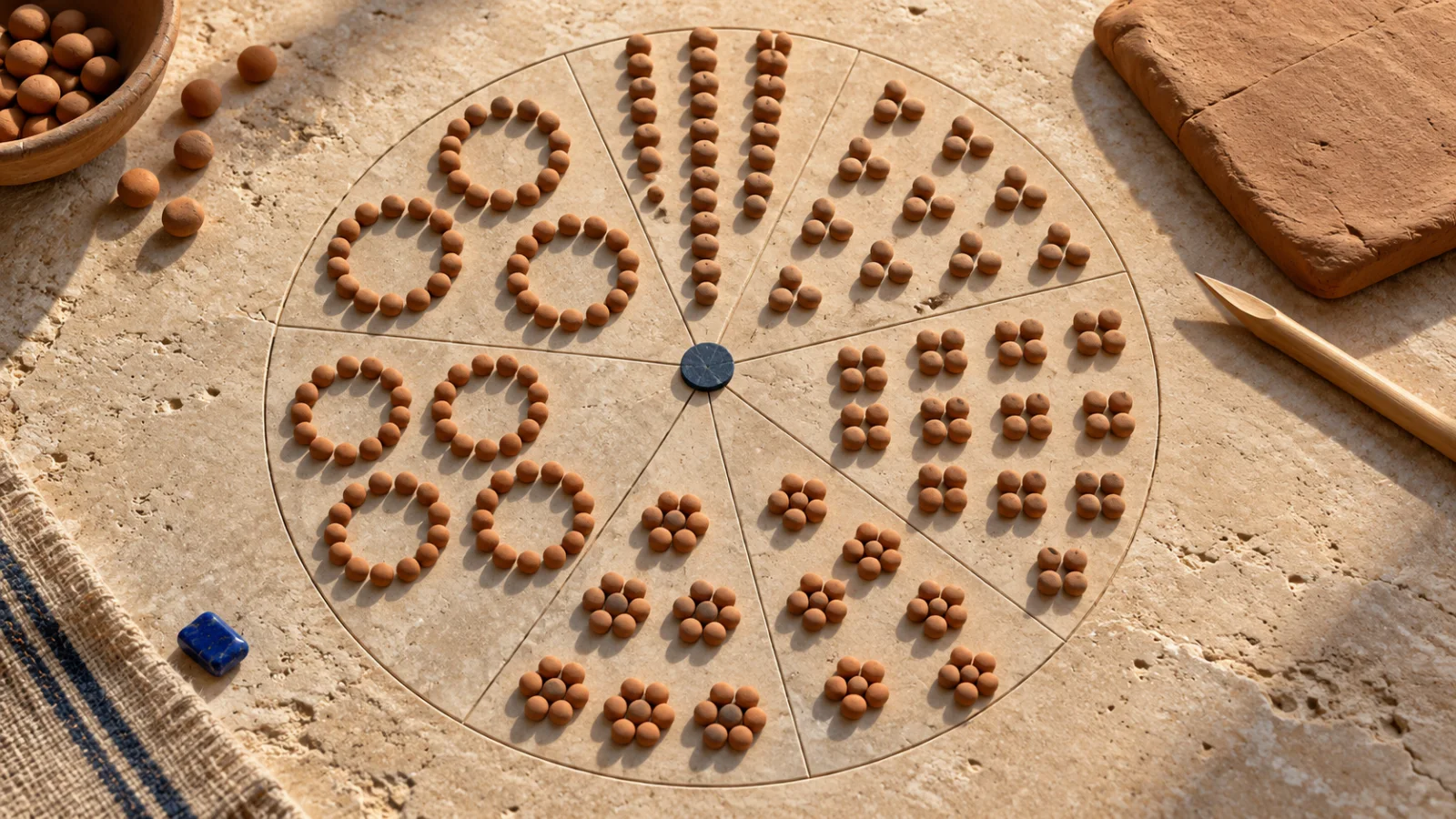
History · 12 min read
The answer crosses ancient Egyptian daylight, Babylonian mathematics, Greek astronomy, mechanical clocks and the caesium atom.