
AI-assisted ANTB briefing
Daily briefing: asteroid deflection, Krakow shooting and major entertainment projects
Reports from PC Gamer, Hollywood Reporter, ScienceDaily, BBC and Variety cover an AI-assisted anti-cheat system, a documentary made on the road, new findings on asteroid deflection, a shooting in Krakow and $180 million in Taiwanese content investment.
Today’s cross-desk briefing brings together reports from PC Gamer, Hollywood Reporter, ScienceDaily, the BBC and Variety. The subjects range from preparations for a new video-game season and the making of a cycling documentary to asteroid-deflection research, a shooting reported in Krakow and a major investment program for Taiwanese film, television and theater projects.
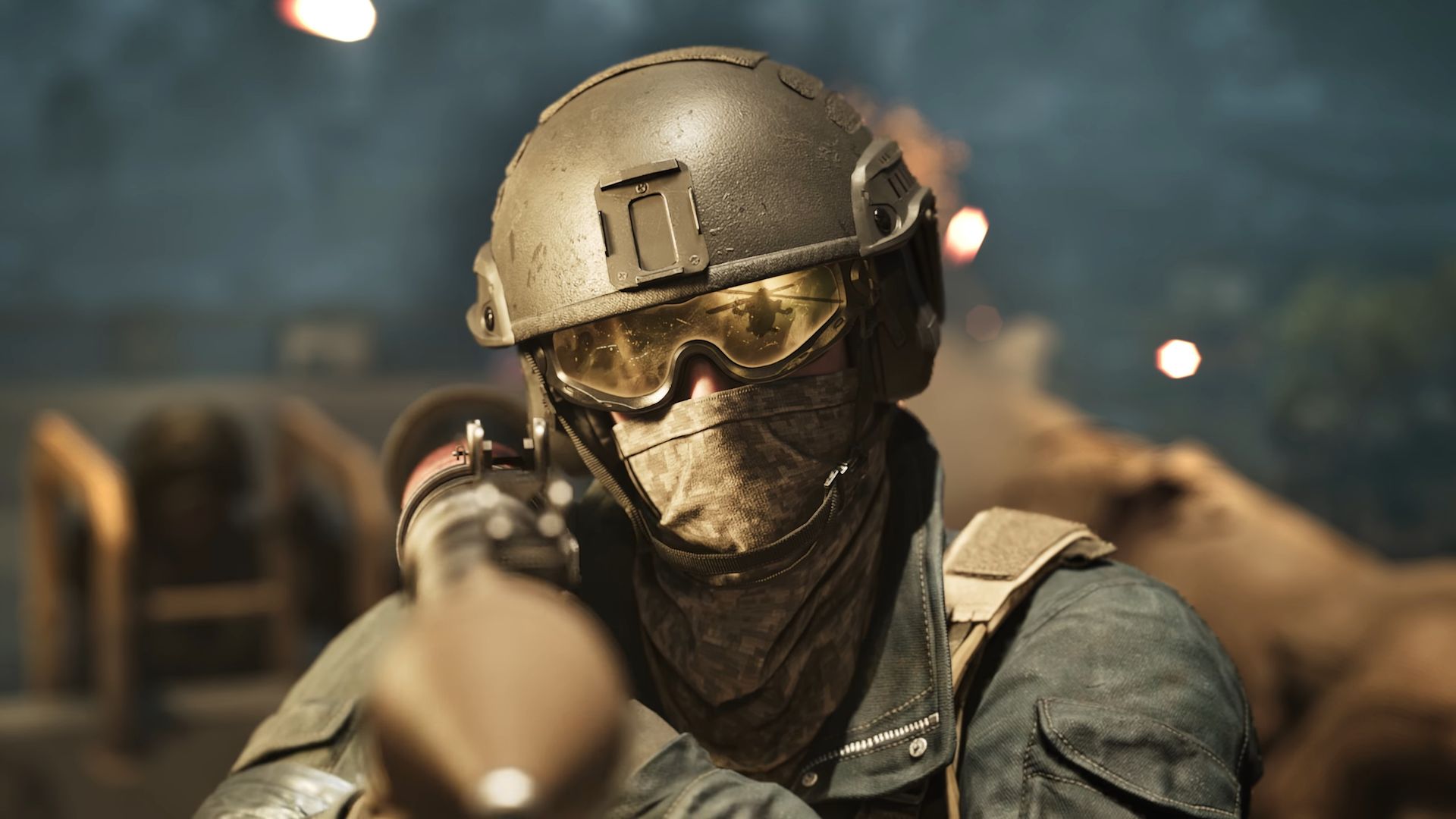
PC Gamer reports that Bulkhead, the developer behind Wardogs, says it has created what the studio describes as one of the world’s most sophisticated anti-cheat systems. According to PC Gamer, Bulkhead says the system was developed with assistance from machine learning and artificial intelligence. The report places those claims ahead of Wardogs Season 3, which PC Gamer says will also introduce a new map and several paths through the game’s unlock system.
PC Gamer’s account presents the anti-cheat technology as a central part of the preparations for the coming season, but the publisher’s summary does not provide independent testing, technical specifications or a detailed explanation of how the system operates. The report attributes the performance claim to Bulkhead rather than presenting it as an independently verified assessment. PC Gamer also identifies the new map and multi-path unlocks as additional Season 3 features.
Hollywood Reporter shifts the focus from games to documentary filmmaking with an account of Perfect Road, a film about nomadic cyclist Maximilian Schnell. The publication reports that directors Adam and Christian Bonke, together with their cinematographer, spent three months following Schnell in a campervan while gathering material for the documentary. Hollywood Reporter says the vehicle was relatively small but had to accommodate a substantial amount of equipment.
According to Hollywood Reporter, the filmmakers discussed the practical demands of working from the campervan as the production followed its subject. The report says the film is screening at Tallinn, although the supplied account does not provide further details about the screening schedule, the documentary’s release plans or its budget. Hollywood Reporter’s report therefore emphasizes the production process and the filmmakers’ recollections rather than offering a broader review of the film.
ScienceDaily reports on research examining whether a nuclear explosion could be used to deflect an asteroid threatening Earth. The publication says the research found that an asteroid’s irregular shape could strongly influence the result of an X-ray blast. ScienceDaily reports that the effectiveness of the deflection varied by nearly fivefold depending on the angle at which the asteroid was struck.
ScienceDaily’s summary describes the finding as a warning that the impact location could determine whether such a response succeeds or fails. The report does not say that a nuclear deflection mission is planned, nor does it identify a current asteroid threat. Its focus is the modeled or researched relationship between an asteroid’s shape, the direction of the blast and the resulting change in trajectory. Those limits matter because the report concerns a potential planetary-defense technique, not an announced operation.
The BBC reports on a deadly shooting in Krakow and says video authenticated by BBC Verify shows the moment gunshots were heard in the city’s main market square. The supplied BBC headline describes the report as an account of how the incident unfolded. The available summary does not provide the number of victims, identify a suspect, describe a motive or state whether arrests have been made. Those details should not be inferred from the video description alone.
Variety reports that Taiwan’s Creative Content Agency, known as TAICCA, and private partners have invested NT$5.64 billion, or about $180 million, in 27 projects. Variety attributes the figures to TAICCA chair Sue Wang, who spoke at the Taiwan Creative Content Fest. The reported investment includes NT$740 million, or approximately $23.7 million, from TAICCA and NT$4.9 billion, or about $157 million, in private capital.
Variety says the supported projects include a remake of the Korean drama Our Blues and an Off-Broadway musical. The publication describes the financing as part of a wider effort involving Taiwan’s content industry, but the supplied summary does not list all 27 projects or provide production timetables. The figures reported by Variety also distinguish between the agency’s contribution and the larger amount supplied by private investors.
Taken together, the reports show five distinct developments rather than a single connected story. PC Gamer covers a game studio’s claims about anti-cheat technology and forthcoming content; Hollywood Reporter documents the logistical side of a road-based film production; ScienceDaily outlines a finding relevant to asteroid defense; the BBC reports on a violent incident in Krakow; and Variety details public and private financing for Taiwanese creative projects.
ANTB context
Why it matters
The briefing highlights how claims about emerging technology require careful attribution, while also covering developments in documentary production, planetary defense, public safety reporting and creative-industry investment. The available reports differ significantly in scope, and several leave important details unresolved.
Evidence and further reading
Sources
- As Wardogs Season 3 looms, Bulkhead claims to have built 'one of the world's most sophisticated anti-cheat systems', assisted by 'machine learning and AI'PC Gamer · accessed 9 Nov 2026
- To Make a Doc About a Nomadic Cyclist, the ‘Perfect Road’ Filmmakers Spent 3 Months in a CampervanHollywood Reporter · accessed 9 Nov 2026
- A nuclear blast could save Earth from an asteroid, but there's a catchScienceDaily · accessed 9 Nov 2026
- How the deadly shooting in Krakow unfoldedBBC · accessed 9 Nov 2026
- Taiwan’s Content Agency and Partners Put $180 Million Into 27 Projects, From an ‘Our Blues’ Remake to an Off-Broadway MusicalVariety · accessed 9 Nov 2026