
AI-assisted ANTB briefing
Choosing an Antigua Hotel: How to Match Your Stay to Your Travel Style
Condé Nast Traveler’s guide to Antigua’s best hotels highlights a range of stays, from ultra-luxe five-star resorts to boutique beach hideaways. Here is how to use that shortlist and what to investigate before booking.
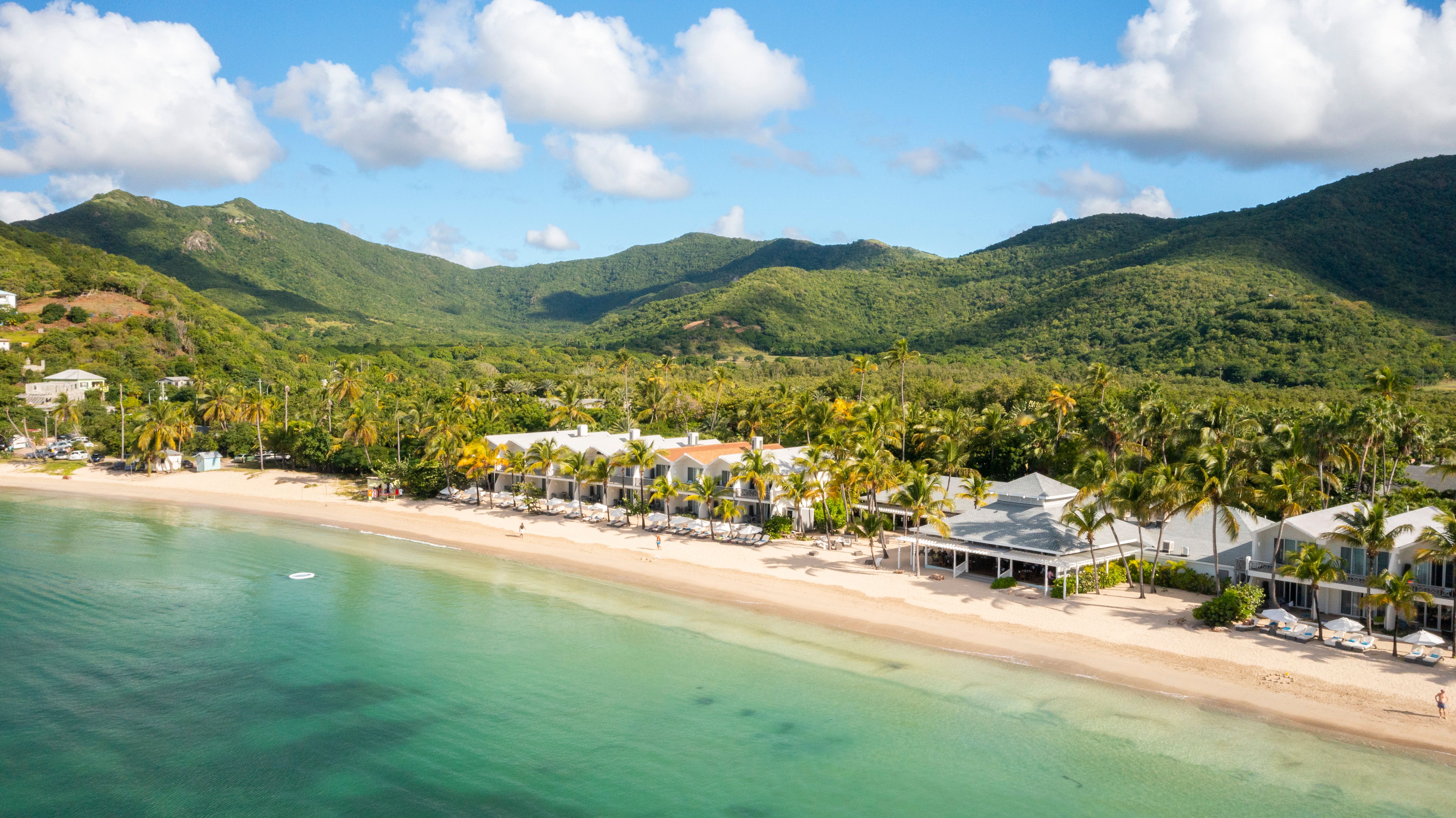
Condé Nast Traveler’s hotel guide presents Antigua as a Caribbean island associated with an unusually broad choice of beaches, describing it as a place with “a beach for every day of the year.” Its shortlist focuses on seven properties, ranging from ultra-luxe five-star resorts to boutique beach hideaways. That range makes the guide useful not only for travellers looking for a hotel name, but also for anyone trying to decide what kind of Antigua holiday they want.
The central choice is between a resort-led stay and a smaller, more intimate beach property. Condé Nast Traveler characterizes the hotels in its selection across that spectrum, so readers should not assume that every recommended property offers the same atmosphere or level of service. A large luxury resort may appeal to someone who wants the hotel to be a major part of the trip. A boutique hideaway may suit a traveller who prefers a more personal-feeling base and a less expansive setting. Those are planning categories rather than guarantees, which is why each property’s current description, facilities and guest reviews deserve close attention before booking.
The guide may be especially relevant to travellers who see accommodation as part of the destination experience. Condé Nast Traveler’s summary does not frame these hotels merely as practical places to sleep; it calls them properties “worth booking” and emphasizes the contrast between high-end resorts and beach hideaways. That suggests a useful way to read the list: start with the mood and level of indulgence you want, then compare individual hotels within that category rather than choosing solely by appearance or brand recognition.
For couples, the most important question may be whether a property feels private, sociable, polished or relaxed. Condé Nast Traveler’s distinction between ultra-luxe resorts and boutique beach hideaways gives couples a starting point, but it does not by itself establish which hotel is quietest, most romantic or best suited to a particular celebration. Those details should be confirmed through the hotel’s current materials and recent independent reviews. If a special occasion matters, ask the property directly what room types, dining arrangements and included services are available for the dates under consideration.
Families should investigate the practical details that a short editorial shortlist cannot answer. Before booking, check whether the hotel welcomes children, what room configurations are available, and whether the property offers facilities or services that make a family stay easier. The source describes the selected properties by overall type, but it does not provide those family-specific details. Parents should therefore treat the Condé Nast Traveler list as a starting point for research rather than as a substitute for checking policies directly.
The same principle applies to travellers with accessibility requirements. A hotel’s appearance in a luxury or boutique guide does not establish that its rooms, paths, bathrooms, beach access or transport arrangements meet an individual need. Ask precise questions and request written confirmation where possible. Condé Nast Traveler identifies the selected properties as notable hotel options, but the source information supplied here does not describe accessibility features at any of them.
Budget-conscious travellers can also use the guide, even though the source summary does not include rates. “Ultra-luxe” signals a different positioning from “boutique beach hideaway,” but it does not tell you the final cost of a stay. Compare the total price rather than the headline nightly rate, and check what is included. Questions may include whether meals, drinks, transfers, activities, taxes or resort charges are part of the quoted amount. Because prices and inclusions can change, confirm them with the hotel or booking provider for your travel dates.
Location should be researched with equal care. Condé Nast Traveler’s title emphasizes Antigua’s beaches, but the supplied source does not say where each of the seven hotels is located or how close they are to the places a particular traveller wants to visit. Before reserving, identify the beach or area, estimate transfer time from the arrival point, and check how easy it is to reach restaurants, activities or other beaches. A beautiful property may be an excellent choice for one itinerary and less convenient for another.
Readers should also verify what “beachfront” or beach access means in practice. The source summary refers to boutique beach hideaways, but it does not define the shoreline experience at each hotel. Ask whether the beach is directly in front of the property, shared with other guests, reached by a path, or affected by seasonal conditions. Confirm which loungers, water activities and other beach services are included rather than assuming that the label covers them.
Condé Nast Traveler’s shortlist is therefore best used as a framework for choosing an Antigua stay. It establishes a useful range—from five-star luxury resorts to smaller beach properties—while leaving the most personal decisions to the reader. Decide first whether you want a full-service resort or a more intimate hideaway, then investigate location, room suitability, accessibility, family policies, inclusions and cancellation terms. That process can turn a broad list of attractive hotels into a booking that genuinely fits the way you want to experience Antigua.
ANTB context
Why it matters
Condé Nast Traveler’s shortlist is useful because it presents Antigua accommodation across distinct styles rather than treating every hotel as interchangeable. The supplied source does not provide prices, opening details, individual hotel facilities or accessibility information, so travellers should use the list as an informed starting point and confirm practical details directly before paying.
Evidence and further reading
Sources
- 7 Best Hotels in Antigua, the Caribbean Island With a Beach for Every Day of the YearCondé Nast Traveler · accessed 9 Nov 2026